
How to Save on Shed in 2026
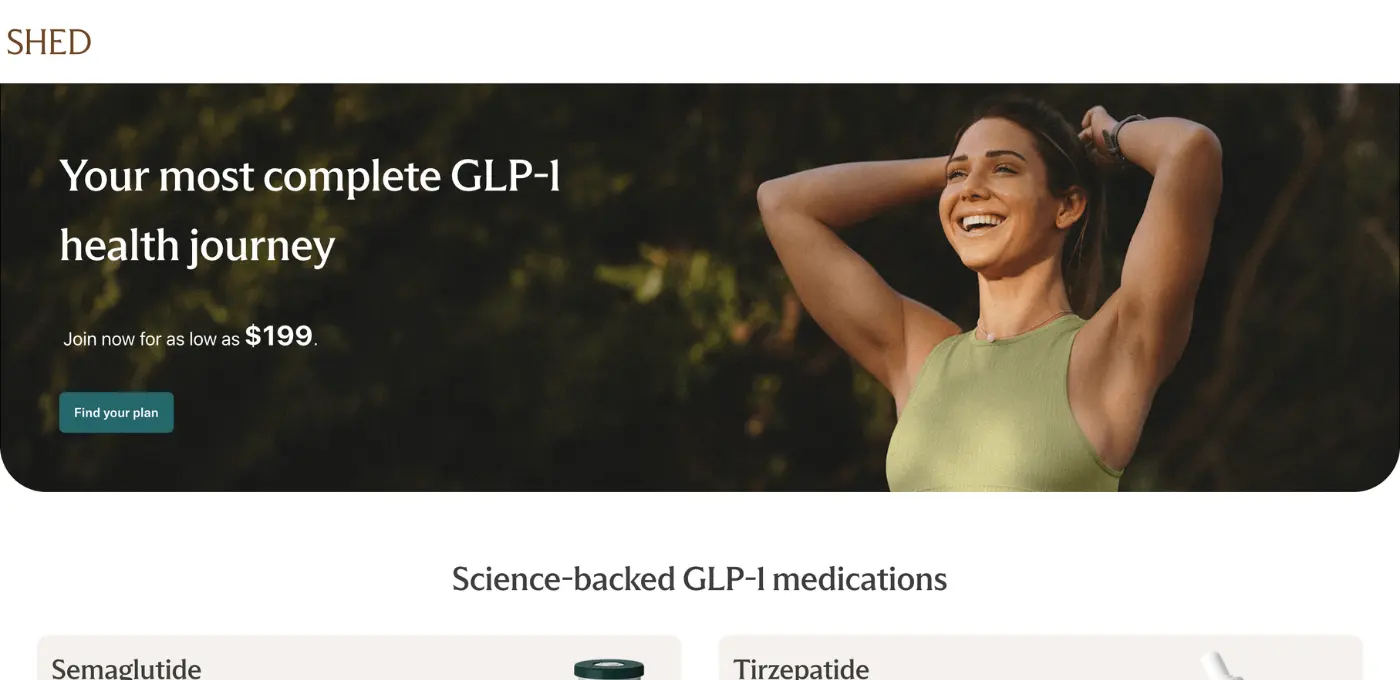
Shed is a GLP-1 weight loss telehealth platform that prescribes compounded semaglutide and tirzepatide to eligible patients at prices ranging from $199 to $499 per month. While that range is competitive within the telehealth weight loss market, there are several concrete strategies you can use to reduce your out-of-pocket costs and get the most value from the program. Understanding how Shed's pricing structure works is the first step toward making a smart financial decision.
The single most impactful savings lever at Shed is choosing a multi-month subscription. Month-to-month pricing is the most expensive option, while 3- and 6-month plans unlock progressively deeper discounts of up to 25%. Because clinical research published by the NIH consistently shows that GLP-1 medications produce greater results over sustained use, committing to a longer plan is both financially advantageous and clinically sound.
HSA and FSA accounts are an underutilized savings tool for Shed members. These pre-tax accounts allow you to pay for qualifying medical expenses - including prescription medications for weight management - before income tax is applied. Depending on your federal and state tax bracket, this can effectively reduce your Shed subscription cost by 20-35%. The IRS defines eligible medical expenses under Publication 502, and prescription GLP-1 medications generally qualify.
Shed's free initial consultation is another cost-saving opportunity that many prospective patients overlook. Rather than signing up for the first plan you see, use the free consultation to have a detailed conversation with a licensed clinician about your specific health profile, which medication tier makes sense for your starting point, and what dosage progression typically looks like.
Finally, keep an eye on Shed's promotional calendar. Telehealth platforms routinely offer introductory discounts during high-intent enrollment windows such as January, late spring, and back-to-school season. Combining a promotional enrollment with a longer subscription plan and HSA/FSA payment can stack multiple savings layers simultaneously - making Shed meaningfully more affordable than the standard listed price.
Shed Insurance & Payment Options
Shed does not currently accept traditional health insurance for its GLP-1 weight loss program. This is consistent with most telehealth weight loss platforms, as compounded GLP-1 medications are not covered under most commercial insurance or Medicare Part D formularies. However, Shed accepts all major credit and debit cards, and accepts HSA and FSA payments, which can significantly reduce your effective cost by using pre-tax dollars for a qualifying medical expense.
Patients should be aware that even branded GLP-1 medications like Wegovy and Zepbound, which are FDA-approved specifically for chronic weight management, face significant insurance coverage hurdles. Many commercial plans and government programs restrict coverage or require prior authorization with documented failure of other weight loss interventions. The FDA's approval of semaglutide and tirzepatide for weight management has increased awareness, but coverage remains inconsistent across insurers in 2026.
If cost is a primary concern, Shed's pricing model is designed to be transparent and all-inclusive. Your monthly fee covers the provider consultation, medication, and shipping - there are no hidden lab fees or separate prescription charges. For patients who want to explore additional cost offsets, some employers are beginning to add GLP-1 coverage to their benefits packages. Check with your HR department or benefits coordinator to see if your employer plan covers telehealth weight management services.
Is Shed Worth the Cost?
Whether Shed is worth the cost depends on your health goals, your baseline body weight, and what value you place on clinical support. At $199-$499 per month, Shed sits at a competitive price point relative to comparable GLP-1 telehealth platforms. The 10% weight loss guarantee adds a layer of financial accountability that most competitors do not offer. Research from the CDC and NIH consistently links 5-10% body weight reductions to measurable improvements in blood pressure, blood sugar, cholesterol, and joint stress.
The clinical evidence behind GLP-1 medications is among the strongest in obesity medicine. The STEP trial data for semaglutide, published in the New England Journal of Medicine, demonstrated average weight loss of approximately 15% of body weight over 68 weeks. Tirzepatide trials have shown even greater average reductions. When accessed through a supervised telehealth platform like Shed that provides dosage titration and ongoing clinical support, patients are more likely to achieve outcomes consistent with these trial results.
The practical question for most patients is whether the cost fits their budget over the 6-12 months typically required to see meaningful, sustained results. At $199/month on a 6-month plan, a patient would spend approximately $1,194 over that period. If that patient achieves even a 10% weight reduction and the associated health improvements - potentially reducing future spending on medications for hypertension, diabetes, or joint pain - the return on investment can be substantial.