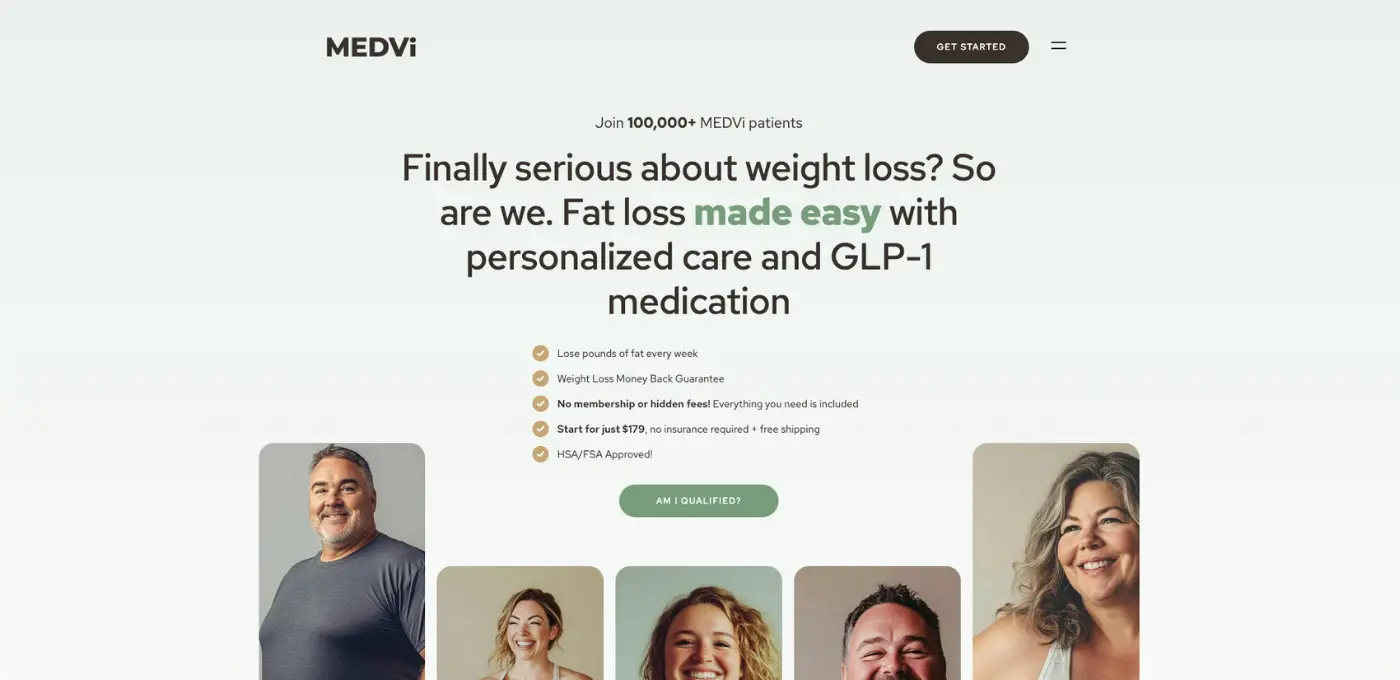
Medvi and Henry Meds both offer compounded GLP-1 weight loss care, but their standing in our data differs. Medvi is live in our weight-loss rankings at a verified $179/month (August 2026), with free dietician visits and care coaching included. Henry Meds' last-recorded price is a flat $149/month with medication, supplies, and shipping bundled (May 2026) - it isn't currently shown in our weight-loss rankings, so confirm current pricing directly. This comparison examines pricing, treatment protocols, support, and which platform fits different needs.
Overview: Budget vs Established GLP-1 Weight Loss Platforms
Medvi and Henry Meds occupy different positions in the competitive GLP-1 weight loss market, with Medvi representing the ultra-budget tier and Henry Meds positioned as an established value brand. Both sell compounded semaglutide and tirzepatide, which are not FDA-approved and have not been reviewed by the FDA for safety, effectiveness, or quality, at prices well below brand-name medication costs. What separates the two is pricing structure, service breadth, and market positioning.
Henry Meds launched in 2022 and rapidly gained market share through competitive pricing, aggressive marketing, and insurance acceptance for consultations. The platform built credibility through transparent communication about compounding regulations, though it does not name the pharmacy that fills its prescriptions. According to
FDA guidance on compounded medications, compounding is permitted only in defined circumstances, and with the tirzepatide shortage declared resolved in December 2024 and the semaglutide shortage in February 2025, it now turns on a clinical need specific to you rather than on the shortage exception. Because neither platform names its compounder, you cannot tell which pathway fills your prescription.
Medvi entered the market more recently, targeting the most price-sensitive segment with monthly costs below virtually all competitors. The platform stripped services to essentials: basic provider consultations, medication delivery, and minimal ongoing support. This bare-bones approach enables pricing that undercuts established players by 30-50%, appealing to self-directed patients prioritizing medication access over comprehensive weight loss programming. However, the newer platform lacks the track record and customer base that Henry Meds has accumulated.
The clinical evidence behind these molecules comes from trials of the brand-name products. The
STEP trial program published in NEJM found semaglutide 2.4mg weekly produced average 14.9% total body weight loss over 68 weeks, while
SURMOUNT trials showed tirzepatide averaging up to 20.9% depending on dose (individual results vary). Those trials studied Wegovy and Zepbound rather than the compounded versions either platform sells, so read them as background on the molecules and not as a result either platform can offer you. That leaves cost, service quality, and long-term sustainability as what you can actually compare.
Cost Analysis: Extreme Budget vs Value-Tier Pricing
Medvi's verified price in our provider database is $179/month (as of August 2026). Its listing includes doctor-guided GLP-1 care that's 100% online, free dietician visits and care coaching, doctor-formulated plans adjusted as your body responds, and fast, discreet shipping. We don't have verified per-dose tier pricing for Medvi - confirm dose-level costs at checkout.
Henry Meds' last-recorded price in our provider database is a flat $149/month (May 2026), bundling medication, supplies, and shipping, with a free evaluation - you pay only if prescribed. Its listing notes no insurance is needed. Henry Meds isn't currently shown in our weight-loss rankings, so treat the figure as last-recorded rather than live and confirm current pricing directly with Henry Meds.
On recorded monthly prices, Henry Meds' $149 flat rate sits $30/month below Medvi's $179 - roughly $360 over 12 months if both held. The caveat cuts the other way on freshness: Medvi's price was verified in August 2026, while Henry Meds' dates to May 2026 and may have changed. Confirm live pricing with both platforms before projecting annual costs.
However, pricing transparency and consistency differ between platforms. Henry Meds communicates costs upfront with itemized pricing on its website, and its flat monthly rate is designed to avoid surprise add-ons. Medvi is newer and has a shorter public track record on billing practices. With either one, confirm at checkout exactly what recurring charge you are agreeing to and what happens to it when your dose changes.
According to
IRS Publication 502 on medical deductions, prescription medications for obesity (BMI ≥30) or overweight (BMI ≥27) with weight-related conditions qualify for HSA/FSA reimbursement. Both platforms provide itemized receipts suitable for reimbursement claims. Henry Meds additionally processes some insurance for consultation fees, while Medvi operates entirely cash-pay. The baseline price advantage at Medvi may offset Henry Meds' insurance acceptance for many patients, though those with generous health spending accounts might find the additional services at Henry Meds worth the premium.
Medication and Dosing: What Each Platform Sends You
Both platforms provide compounded semaglutide and tirzepatide. Neither names a facility that appears on the FDA's list of registered 503B outsourcing facilities. The medications cost substantially less than brand-name Wegovy and Zepbound, and they are not FDA-approved and are not reviewed by the FDA for safety, effectiveness, or quality. According to
FDA regulations on 503B facilities, registered 503B outsourcing facilities must meet current good manufacturing practice standards and are inspected by the FDA, while 503A pharmacies are licensed by state boards and are not subject to those requirements.
Dosing follows the escalation schedules established for the brand-name products. Semaglutide begins at 0.25mg weekly for 4 weeks, increases to 0.5mg weekly for 4 weeks, then 1mg weekly for 4 weeks, continuing to escalate every 4 weeks until reaching the maximum 2.4mg weekly dose. Tirzepatide starts at 2.5mg weekly for 4 weeks, increasing to 5mg, 7.5mg, 10mg, 12.5mg, and maximum 15mg weekly, with 4-week intervals between increases. These schedules are designed to limit gastrointestinal side effects while building toward a therapeutic dose, and your prescriber sets the pace.
Henry Meds provides wide-ranging dosing support including pre-filled syringes with dose-specific markings, detailed injection technique videos, refrigeration guidelines, and side effect management protocols. The platform supplies alcohol swabs, sharps containers, and written instructions with each shipment. Providers conduct regular check-ins to assess tolerance and determine appropriate escalation timing. According to customer reviews, patients value the hand-holding approach, particularly for first-time users intimidated by self-injection.
Medvi offers more basic support: medication vials or pre-filled syringes (depending on selection), standard dosing instructions, and access to provider messaging for questions. The streamlined approach works for self-directed patients comfortable with minimal guidance but may challenge those wanting more structured support. Some users report receiving less detailed injection training and fewer proactive check-ins compared to Henry Meds, though basic safety information and dosing schedules are provided adequately.
Neither platform can prescribe brand-name Wegovy, Ozempic, Mounjaro, or Zepbound directly, as these FDA-approved medications require traditional pharmacy fulfillment and typically cost $1,000-$1,400 monthly without insurance coverage. The compounded programs listed here run $149-$179/month on recorded figures - a fraction of brand-name list prices. Compounded GLP-1 medications are not FDA-approved and have not been reviewed by the FDA for safety, effectiveness, or quality, and brand-name trial results don't automatically apply to them - discuss that tradeoff with a licensed provider.
Consultation and Support: Established Service vs Minimal Touch
Henry Meds built its reputation on responsive service and accessible providers. Initial consultations occur via video or asynchronous messaging, with patients answering detailed questionnaires about weight history, previous diet attempts, medical conditions, current medications, and weight loss goals. Board-certified physicians or nurse practitioners review submissions within 24 hours, conducting medical screening for GLP-1 contraindications including personal or family history of medullary thyroid cancer, multiple endocrine neoplasia syndrome, and pancreatitis history.
The onboarding process at Henry Meds includes educational materials about realistic weight loss expectations, common side effects (nausea, constipation, diarrhea, decreased appetite), dietary strategies to minimize gastrointestinal symptoms, and when to seek immediate medical attention. Patients receive follow-up outreach at 2-week intervals during the first two months to assess tolerance and address concerns. The platform maintains provider messaging access.
Medvi streamlines the intake process with briefer questionnaires focused on basic eligibility screening. The consultation emphasizes contraindication identification and prescription approval rather than extensive education or goal-setting discussion. Patients complete medical history forms, receive provider review within 24-48 hours, and get prescription authorization if medically appropriate. The platform provides standard medication information but less proactive outreach or structured check-ins compared to Henry Meds.
Follow-up care differs substantially in intensity. Henry Meds schedules regular provider touchpoints aligned with dose escalations, encouraging patients to report side effects, discuss progress, and optimize treatment. The platform built systems for tracking adherence, weight changes, and tolerance issues, enabling providers to make informed adjustments. Medvi operates more reactively, with patients initiating contact when questions or problems arise rather than receiving scheduled check-ins. This works adequately for experienced patients or those wanting minimal interaction, but provides less guidance for first-time GLP-1 users.
Customer service responsiveness represents another differentiator. Henry Meds invested in support infrastructure with teams handling medication questions, billing inquiries, and prescription issues. The platform holds a 9.0 rating (Excellent) in our ratings. Medvi, being newer and operating on thinner margins, has fewer reviews but shows more variable response times and occasional reports of delayed communication during scaling. The service quality trade-off mirrors the cost difference.
Medical Oversight: Standard Screening vs Comprehensive Surveillance
Both platforms screen for the contraindications listed on the FDA-approved labeling before starting GLP-1 therapy. According to
FDA safety information on semaglutide, those contraindications include personal or family history of medullary thyroid carcinoma, multiple endocrine neoplasia syndrome type 2, pregnancy, and previous severe hypersensitivity to semaglutide or tirzepatide. Henry Meds and Medvi screen for these conditions through medical questionnaires and exclude inappropriate candidates.
Henry Meds recommends (though does not mandate) baseline laboratory testing before starting therapy, including complete metabolic panel, lipase, hemoglobin A1c, and lipid panel. The platform can facilitate lab orders through Quest Diagnostics or LabCorp partnerships for patients wanting pre-treatment assessment. Providers review results and discuss any abnormalities before prescribing. This approach aligns with Endocrine Society guidelines suggesting baseline metabolic assessment for patients starting anti-obesity medications.
Medvi does not routinely require or facilitate laboratory testing, instead relying on patient-reported medical history and symptom monitoring. This reduces costs and barriers but provides less objective safety data. Patients with pre-existing conditions like diabetes, kidney disease, or liver dysfunction may benefit from baseline labs that Medvi does not systematically include. The platform advises patients to contact their primary care doctors for lab work if desired, placing responsibility on patients to coordinate this separately.
Ongoing monitoring protocols differ in structure. Henry Meds actively tracks for concerning symptoms including severe abdominal pain suggesting pancreatitis, rapid heart rate, vision changes, or allergic reactions. The platform provides 24/7 nurse line access for urgent concerns and clear guidance on when to seek emergency care. Regular check-ins create opportunities to identify problems early. Medvi provides similar safety information but monitors more passively, depending on patients to recognize and report concerning symptoms without structured surveillance.
Both platforms provide guidance on what a reasonable rate of loss looks like and on when to slow down. Excessive weight loss, persistent vomiting, or an inability to stay hydrated warrant a dose adjustment or temporary discontinuation, and that call belongs to your prescriber. The difference lies in how actively each platform watches for it: Henry Meds through regular check-ins and weight tracking, Medvi through reporting you have to initiate. If your medical picture is complex or you have significant comorbidities, the closer oversight at Henry Meds may justify the higher cost.
Weight Loss Results and Satisfaction: What Each Experience Looks Like
Weight loss outcomes depend on the medication, the dose you reach, how consistently you take it, and lifestyle factors. Both Medvi and Henry Meds prescribe compounded semaglutide. In the STEP 1 trial, brand-name semaglutide (Wegovy) averaged 14.9% body weight loss over 68 weeks, and in SURMOUNT-1 tirzepatide averaged up to 20.9% at the highest dose (individual results vary). Those trials tested the FDA-approved products; the compounded versions sold here are not FDA-approved and were not studied in them, so the figures describe the brand-name drugs rather than anything either platform can promise you. Your own result also depends on starting weight and metabolic factors.
Positive reviews emphasize feeling supported throughout the process, receiving helpful guidance on managing side effects, and appreciating responsive communication when questions arose. The comprehensive support appears to facilitate better treatment adherence and completion rates.
Satisfaction comments about Medvi center on cost savings rather than on the service experience. Some appreciate the no-frills approach and the lower spend; others mention wishing they had more support through difficult side effect stretches or when they were unsure about dose escalation timing. The basic model suits a self-sufficient approach and may leave gaps if you want guidance.
Treatment adherence and persistence affect long-term outcomes significantly. Research shows
GLP-1 discontinuation rates approach 50-70% by 12 months in real-world settings, often due to side effects, cost concerns, or perceived inadequate results. Platforms providing better support and education may improve persistence. Henry Meds' structured follow-up and side effect management potentially reduce discontinuation versus Medvi's minimal-touch approach, though comparative data is limited.
Long-term value depends on achieving and maintaining therapeutic doses. A patient who tolerates semaglutide well and reaches 2.4mg weekly will likely experience good results at either platform, with Medvi delivering cost savings. A patient experiencing significant side effects or uncertainty about treatment may benefit from Henry Meds' superior support despite higher prices. The weight loss journey involves challenges beyond medication access - nausea management, lifestyle modification, psychological adjustment - where full platforms provide more value. The optimal choice balances cost consciousness with honest assessment of support needs.
How We Compared Henry Meds vs Medvi
Our Comparison Methodology
This comparison is based on comprehensive analysis of GLP-1 weight loss protocols, pricing structures, service models, and treatment approaches from both platforms.
Clinical Evidence: Weight loss treatment recommendations reference FDA-approved GLP-1 medication labels, STEP trial data for semaglutide from New England Journal of Medicine, and SURMOUNT trials for tirzepatide.
Pricing Analysis: Pricing reflects the rates last recorded in our provider database; providers change prices frequently, so confirm current pricing directly at checkout. Costs may vary based on dosage requirements.
Service Verification: Platform capabilities, provider credentials, medication sourcing, and support services were evaluated through detailed review of each platform's published service information.
This comparison is written by our own editorial team, and ManyTreatments is paid an affiliate commission by most of the providers listed here when you buy through a link on this page. Payment for placement, for a rating, or for a listing is not something we accept. What we will not claim is that commissions have never influenced anything, because that would be a statement about our own conduct we cannot evidence. Our goal is to provide evidence-based comparison to help you make informed weight loss treatment decisions.
Final Verdict: Henry Meds vs Medvi
Choose Medvi if: you want a platform that's live in our weight-loss rankings today, with doctor-guided GLP-1 care, free dietician visits, and care coaching included at a verified $179/month (as of August 2026). Medvi holds a 9.2 rating (Outstanding) in our weight-loss rankings.
Choose Henry Meds if: its flat bundled pricing appeals: the last rate recorded in our database is $149/month covering medication, supplies, and shipping, with a free evaluation where you pay only if prescribed (May 2026). Henry Meds holds a 9.0 rating (Excellent) in our ratings but isn't currently shown in our weight-loss rankings, so confirm current pricing and availability directly.
The Bottom Line: both platforms provide access to compounded semaglutide and tirzepatide at far below brand-name list prices ($1,000-$1,400 monthly without insurance; manufacturer direct-pharmacy programs now run $199-$449/mo). Compounded GLP-1 medications are not FDA-approved and have not been reviewed by the FDA for safety, effectiveness, or quality. On recorded figures Henry Meds is $30/month cheaper, but only Medvi's price is current - verify both at checkout and talk to a licensed provider about which program fits your needs.
Frequently Asked Questions
Which platform offers lower prices for GLP-1 weight loss medications?
On the figures in our database, Henry Meds is the lower-priced option: a flat $149/month last recorded in May 2026, versus Medvi's $179/month verified in August 2026. Medvi's listing includes free dietician visits and care coaching with doctor-guided plans; Henry Meds bundles medication, supplies, and shipping with a free evaluation where you pay only if prescribed. Medvi is live in our weight-loss rankings while Henry Meds currently isn't - so confirm Henry Meds' current pricing directly before treating the $30/month gap as real.
Do both platforms provide the same quality medications?
Neither platform gives you what you would need to answer that. Both offer compounded semaglutide and tirzepatide, and neither names the facility that compounds them or shows one on the FDA's list of registered 503B outsourcing facilities. Compounded medications are not FDA-approved and have not been reviewed by the FDA for safety, effectiveness, or quality, so the standards of the facility that prepares yours are what stand behind it, and that is exactly what is undisclosed here. What you can compare is price, service, support, and monitoring. Ask each platform who compounds your prescription before you decide.
Does Henry Meds accept insurance while Medvi does not?
Henry Meds accepts some insurance plans for initial consultation fees and can work with FSA/HSA accounts for medication costs, though the GLP-1 medications themselves typically remain cash-pay. Medvi operates entirely on a cash-pay model without insurance processing for any services. Both platforms provide itemized receipts suitable for HSA/FSA reimbursement claims for patients with health spending accounts. According to IRS Publication 502, prescription obesity medications qualify for HSA/FSA use when prescribed for BMI ≥30 or BMI ≥27 with weight-related conditions. Patients with generous HSA/FSA balances may find Henry Meds' insurance coordination helpful, while those paying entirely out-of-pocket benefit more from Medvi's lower baseline prices.
Which platform provides better support for first-time GLP-1 users?
Henry Meds offers substantially more comprehensive support for patients new to GLP-1 medications, including detailed injection training videos, regular check-in calls during the first 8 weeks, proactive side effect monitoring, and responsive provider messaging (typically under 24-hour response time). The platform provides pre-filled syringes with clear dosing markers, wide-ranging injection supplies, and extensive educational materials. Medvi offers basic dosing instructions and medication information but fewer proactive touchpoints and less hand-holding. First-time users who feel anxious about self-injection, want regular reassurance, or anticipate needing guidance managing side effects will have better experiences at Henry Meds. Confident, self-directed patients comfortable with minimal supervision can save money at Medvi.
How do the platforms compare for managing side effects?
Henry Meds provides structured side effect management with regular check-ins to assess tolerance, provider messaging for questions about symptoms like nausea or constipation, and clear protocols for dose adjustment if side effects become intolerable. The platform's 24/7 nurse line offers urgent guidance for concerning symptoms. Medvi provides standard side effect information and allows patients to message providers but operates more reactively - patients must initiate contact rather than receiving proactive outreach. For straightforward cases where side effects are mild and manageable, either platform works adequately. For patients experiencing significant gastrointestinal symptoms, difficulty tolerating dose escalations, or uncertainty about concerning versus normal reactions, Henry Meds' active monitoring and support provides more value.
Can I switch between platforms if I want to change later?
Yes, you can switch. Both prescribe compounded semaglutide and tirzepatide on the standard dosing schedules, so a new prescriber can take over from where you left off. If you start at Medvi to save money but later want more support, you can transfer to Henry Meds by providing your current dose and treatment history during onboarding. Conversely, if you start at Henry Meds but become comfortable managing treatment independently, you can switch to Medvi for cost savings. The main consideration is ensuring continuity of medication supply during transition - coordinate timing to avoid running out of medication between shipments. Neither platform requires long-term contracts, making switching feasible, though you will go through new patient intake and provider approval at whichever platform you transfer to.
Editorial Note: Researched and edited by our editorial team. AI tools assist with initial research and drafting; all content is fact-checked and edited by humans before publication. Learn more about our editorial standards