Choosing between Henry Meds and UrWay Health for weight loss is mostly a question of what can be verified. Neither listing is currently shown in our weight loss rankings. Henry Meds' last-recorded price is a flat $149/month with medication, supplies, and shipping included (May 2026), and it holds a 9.0 rating (Excellent) in our ratings. UrWay Health has no recorded price in our database - its last-recorded listing noted tailored medication plans, licensed physicians with ongoing care included, free shipping, and no long-term contracts, and it holds an 8.1 rating (Good). This comparison lays out what's known, what isn't, and what to confirm directly.
Platform Overview
Henry Meds is a GLP-1-focused telehealth platform built around affordable medication access through licensed providers. Its last-recorded price in our provider database is a flat $149/month covering medication, supplies, and shipping, with a free evaluation - you pay only if prescribed (May 2026). Henry Meds isn't currently shown in our weight loss rankings, so treat that figure as last-recorded rather than live and confirm current pricing directly.
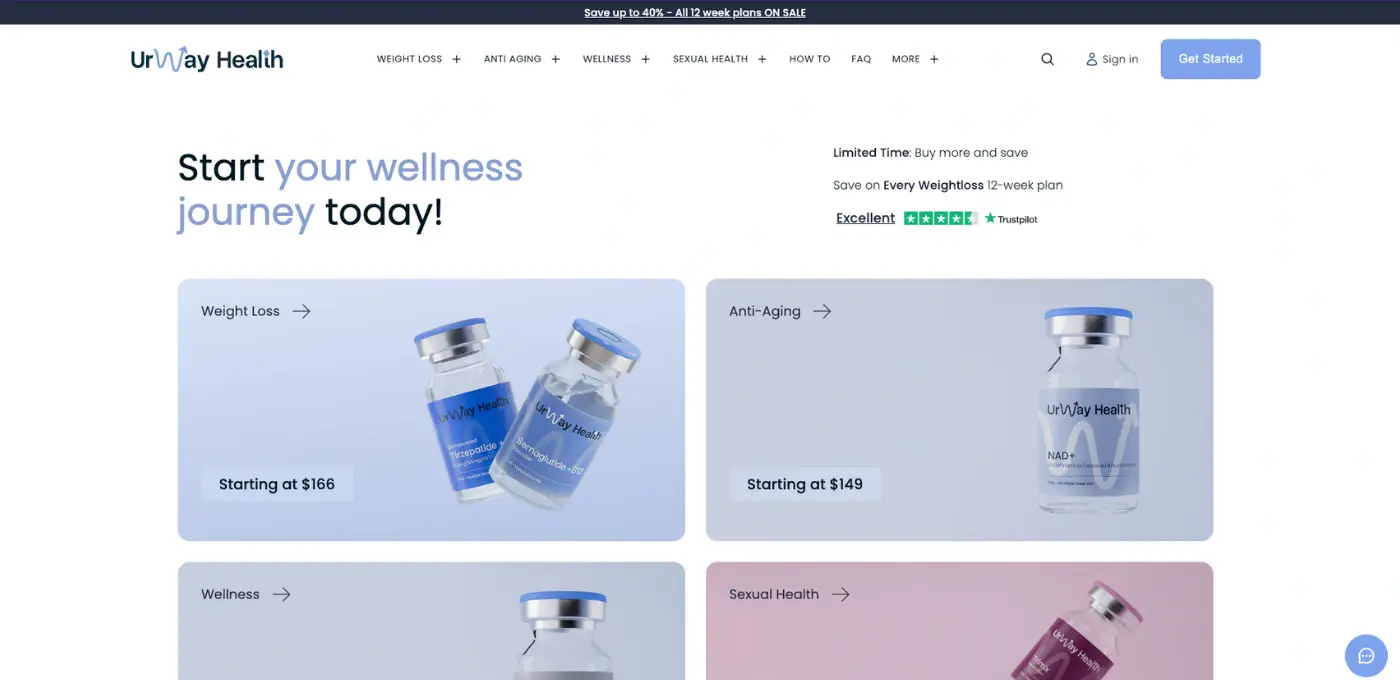
UrWay Health's last-recorded listing describes medication plans tailored to your goals, licensed physicians with ongoing care included, free shipping, and no long-term contracts - cancel anytime. Our database records no price and no verification date for UrWay Health's weight loss program, and its listing isn't currently in our rankings. That's a data gap, not a verdict: confirm pricing, medication options, and pharmacy sourcing directly with UrWay Health before enrolling.
Pricing Comparison
Henry Meds Pricing: Henry Meds' last-recorded rate is a flat $149/month (May 2026) bundling medication, supplies, and shipping, with a free evaluation - you pay only if prescribed. We have no verified per-dose tier pricing, and the listing isn't currently in our weight loss rankings, so confirm current costs directly with Henry Meds.
UrWay Health Pricing: we can't quote a price - our database records no rate for UrWay Health's weight loss program and no verification date. Its listing highlights tailored plans and no long-term contracts, but a plan you can cancel anytime still deserves a clear number first. Ask UrWay Health for current pricing in writing, including what the rate covers, before comparing it against any bundled competitor.
Cost-Value Analysis: with no recorded UrWay Health price, no honest savings math is possible - any 'cheaper than' claim would be invented. What can be said: Henry Meds' last-recorded flat $149/month (May 2026) is the only number on this page, and even that needs direct confirmation since the listing isn't currently ranked. Collect live quotes from both platforms and compare what each covers before weighing value.
Platform Maturity and Reliability Risk
Henry Meds - What We Can Verify: Henry Meds holds a 9.0 rating (Excellent) in our ratings, and its listing bundles medication, supplies, and shipping into one flat rate with a free evaluation. We can't verify founding dates, supply-chain claims, or shortage-era performance from our data, so we won't assert them - ask Henry Meds directly about its pharmacy partners and refill reliability.
UrWay Health - What We Can Verify: UrWay Health holds an 8.1 rating (Good) in our ratings, with a last-recorded listing describing tailored plans, licensed physicians, ongoing care, and free shipping. We have no recorded price, no verification date, and no visibility into its pharmacy sourcing - so the questions to put to any platform apply here with extra weight: who fills the prescriptions, what does a month cost, and what happens if sourcing changes.
Reliability Considerations: GLP-1 treatment often runs many months, so refill reliability matters more than any single month's price. Neither platform's supply arrangements are verifiable from our data. Ask both the same questions - which pharmacy fills prescriptions, how refills are handled under current compounding rules, and what notice you get if pricing or sourcing changes - and weigh the answers, not assumptions about company size or age.
Medication Formulary and Treatment Options
Henry Meds Dual GLP-1 Formulary: Henry Meds provides both compounded semaglutide and compounded tirzepatide, enabling physician selection of optimal medication based on patient-specific factors, side effect profiles, efficacy differences, and individual response. Semaglutide offers once-weekly injection with established track record. Tirzepatide provides dual GIP/GLP-1 agonism with average weight loss of 15% to 20.9% by dose, versus 14.9% for semaglutide (individual results vary), per
FDA labels but potentially increased gastrointestinal side effects. Access to both medications enables switching if side effects or inadequate response occurs with first-line therapy.
Urway Health Semaglutide-Only Restriction: Urway Health exclusively provides compounded semaglutide without tirzepatide availability. The single-medication formulary limits treatment flexibility - patients who experience intolerable semaglutide side effects or inadequate weight loss response cannot switch to alternative GLP-1 medication through the platform. Semaglutide-only restriction contributes to ultra-budget pricing but eliminates treatment options for patients who may respond better to tirzepatide or those who develop semaglutide-specific side effects requiring medication change.
Formulary Implications: Henry Meds dual-medication formulary provides crucial treatment flexibility enabling medication optimization based on individual response, side effect tolerance, and efficacy. Approximately 20-30% of GLP-1 patients experience side effects requiring dose adjustment or medication change. Urway Health's semaglutide-only restriction means patients needing alternative medication must find new providers, creating treatment disruption and additional costs. For patients certain semaglutide will work well, single-medication restriction may be acceptable. For those uncertain about medication tolerance or wanting maximum treatment options, Henry Meds formulary breadth provides meaningful clinical advantages worth higher cost.
Clinical Support and Medical Infrastructure
Henry Meds Clinical Support: Henry Meds' listing includes provider consultations bundled into its flat rate, with a free evaluation before you pay. Specific staffing claims - specialist certifications, team structure, escalation protocols - aren't verifiable from our data, so ask directly who manages dosing and side effects if you enroll.
Urway Health Minimal Clinical Infrastructure: Urway Health operates with streamlined provider network offering basic telemedicine consultations focused on GLP-1 prescription authorization. The platform does not emphasize board certification in obesity medicine or training. Clinical interactions primarily occur during initial prescription authorization and refill requests with limited ongoing engagement beyond basic prescription management. Urway Health's ultra-budget model prioritizes extreme cost efficiency over clinical support investment, adequate for straightforward cases but offering minimal resources for patients experiencing complications, significant side effects, or requiring expert medication optimization.
Clinical Support: both listings describe provider-led care - Henry Meds with consultations included in its bundled rate, UrWay Health with licensed physicians and ongoing care included. Neither platform's staffing depth or specialist credentials are verifiable from our data, so treat support claims as questions for the intake call rather than settled facts. If you have a complicated medical history, ask specifically who manages side effects and dose changes.
Value Proposition and Risk-Reward Assessment
Henry Meds Value: the case for Henry Meds in our data is one bundled number - a last-recorded flat $149/month covering medication, supplies, and shipping (May 2026) - plus a 9.0 rating (Excellent) and a free evaluation where you pay only if prescribed. The case against relying on it blindly: the figure is months old and the listing isn't currently ranked. Confirm before you count on it.
UrWay Health Value: with no recorded price, UrWay Health's value can't be scored from our data. Its listing's cancel-anytime, no-contract terms lower the cost of finding out - but get the monthly rate, what it covers, and the medication list in writing first. An 8.1 rating (Good) in our ratings is the one verified signal we can offer.
Trade-Off Analysis: the honest trade-off here isn't price-versus-quality - it's one partially dated number versus none. Henry Meds gives you a last-recorded bundled rate to verify; UrWay Health requires building the picture from scratch. Whichever you approach, confirm price, coverage, pharmacy sourcing, and refill handling directly, and involve a licensed provider in the medication decision.
How We Compared Henry Meds vs UrWay Health
Our Comparison Methodology
This comparison is based on comprehensive analysis of pricing structures, maturity, clinical support models, medication formularies, platform reliability, and risk-reward profiles from both Henry Meds and Urway Health.
Clinical Evidence: Weight loss treatment recommendations reference FDA-approved GLP-1 medication labels including Wegovy (semaglutide) and Zepbound (tirzepatide) and standards from the Obesity Medicine Association.
Pricing Analysis: Pricing reflects the rates last recorded in our provider database; providers change prices frequently, so confirm current pricing directly at checkout. Cost comparisons calculated for typical treatment courses though our database currently records a last-recorded price only for Henry Meds, not UrWay Health.
Service Verification: feature and support claims reflect each brand's listing in our provider database; we have not independently audited staffing, credentials, or operating history - confirm service details directly with each platform.
Independence: This comparison is our own editorial work (most providers listed here pay ManyTreatments a commission when you buy through a link on this page; none pays for a placement, a rating, or a listing, and we make no claim that commissions have never influenced anything, since that is our own conduct and we cannot evidence it) and aims to provide evidence-based analysis helping patients understand what is verifiable about each listing before you enroll.
Final Verdict: Henry Meds vs UrWay Health
Choose Henry Meds if: you want one flat bundled number to verify: last recorded at $149/month covering medication, supplies, and shipping, with a free evaluation where you pay only if prescribed (May 2026), backed by a 9.0 rating (Excellent) in our ratings. Confirm the rate directly - the listing isn't currently in our weight loss rankings.
Choose UrWay Health if: its tailored-plan, no-contract model appeals and it gives you a clear current price in writing - our database records none, so the burden of verification is higher. Its 8.1 rating (Good) in our ratings and cancel-anytime terms are the verifiable starting points.
Bottom line: no honest price comparison exists here yet: one platform has a months-old recorded rate, the other has none. Compounded GLP-1 medications, where offered, are not FDA-approved and have not been reviewed by the FDA for safety, effectiveness, or quality. Get live quotes from both, ask who fills the prescriptions and how refills work under current compounding rules, and talk to a licensed provider about whether GLP-1 therapy fits your health profile.
Editorial Note: Researched and edited by our editorial team. AI tools assist with initial research and drafting; all content is fact-checked and edited by humans before publication. Learn more about our editorial standards