




We earn commissions from brands listed on this site, which influences how listings are presented. Advertising Disclosure

Manytreatments
Manytreatments
BrowseCategoriesCompareMedicationsBy State
TreatmentsWeight LossED TreatmentHair LossTRT
AboutFAQContact
CategoriesCompareMedicationsBy StateWeight LossED TreatmentHair LossTRTHow We Rate

manytreatments

Compare telehealth providers for weight loss, erectile dysfunction, hair loss, TRT, women's health, mental health, and premature ejaculation treatment. Find pricing, reviews, and licensed US doctors in all 50 states.

Trustpilot

Treatments

  • Weight Loss
  • ED Treatment
  • TRT
  • Hair Loss
  • Women's Health
  • PE Treatment
  • Mental Health
  • View All Treatments →

Top Brands

  • Hims
  • Medvi
  • Ro
  • Shed
  • Eden
  • Sesame Care
  • Maximus
  • Peter MD
  • View All Brands →

Resources

  • Compare Brands
  • Browse by State
  • Medications
  • Tools
  • FAQ
  • About Us
  • Contact Us
  • How We Rate
  • Sitemap

Legal

  • Privacy Policy
  • Terms of Service
  • Affiliate Disclosure
  • Medical Disclaimer
  • Editorial Policy
  • Cookie Policy
  • California Privacy Notice (CCPA)
  • Accessibility Statement

Follow Us

  • Medium
  • YouTube
  • LinkedIn
  • Twitter/X
  • Instagram
  • Threads
© 2026 ManyTreatments.com. All rights reserved.Advertising DisclosureWe may earn commissions from affiliate links.

Content is for informational purposes only and is not medical advice. Compounded medications are not FDA-approved for safety, effectiveness, or quality. Medical Disclaimer

  1. Home
  2. Compare
  3. Ro vs Nutrafol
Jess TranWritten by Jess TranContributing Writer
Updated onMarch 18, 2026
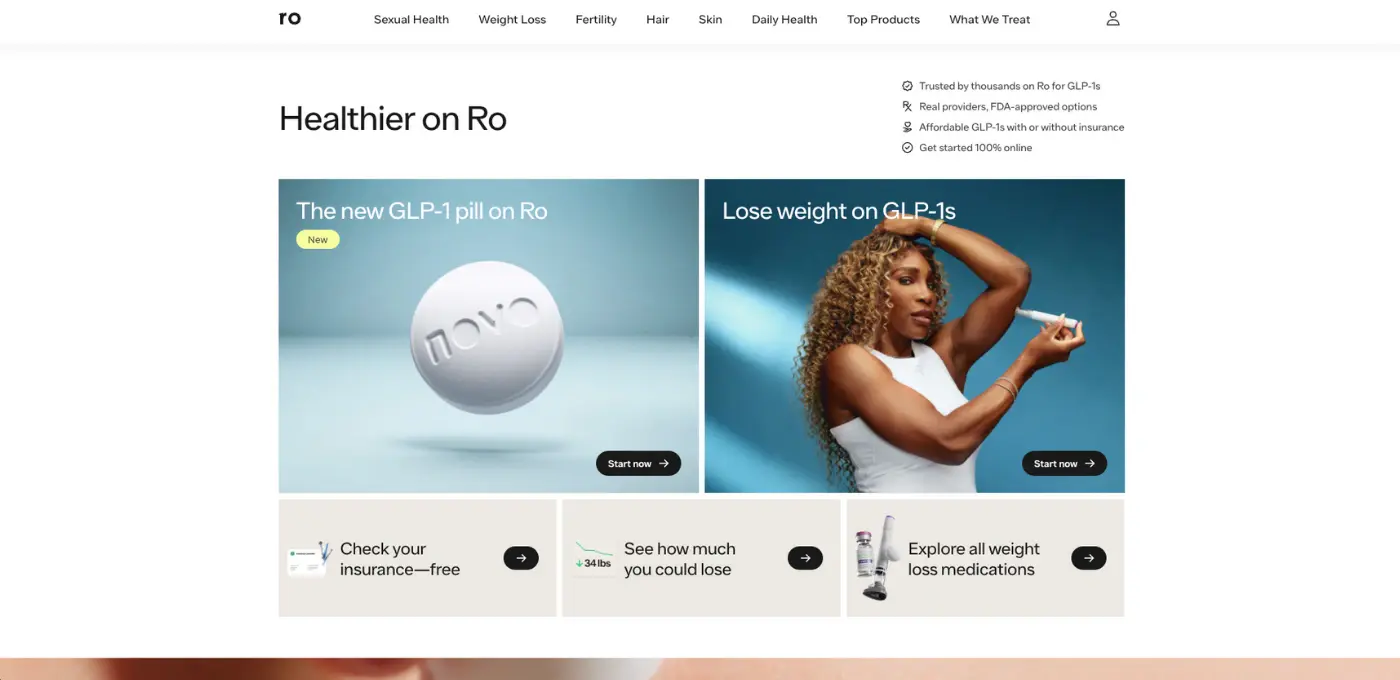
Ro telehealth platform
Ro
VS
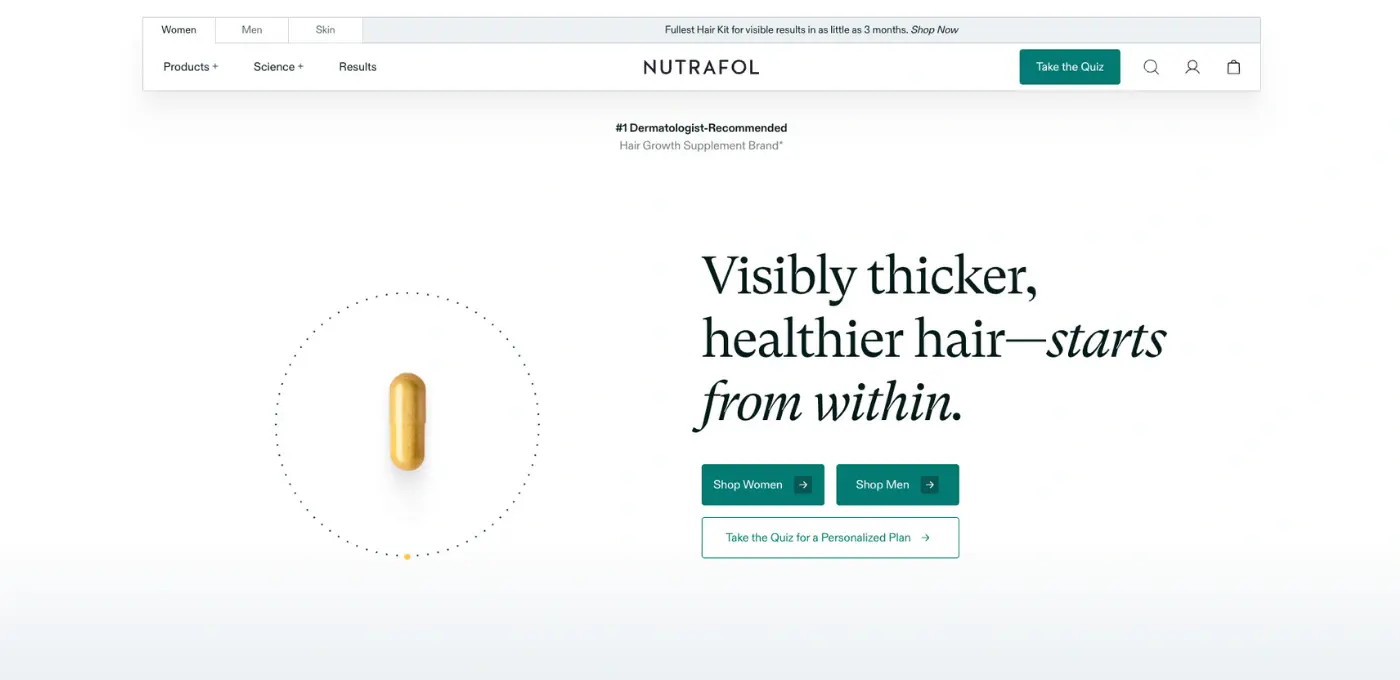
Nutrafol telehealth platform
Nutrafol
Visit RoVisit Nutrafol

Ro vs Nutrafol

Complete 2026 Comparison for Hair Loss

Hair Loss

Our Verdict

Picking between Ro and Nutrafol for hair loss comes down to whether you want a doctor-backed prescription approach or a supplement-based routine you can start without a visit, while Ro leans on clinical treatment from real doctors and Nutrafol targets hormones, stress, and metabolism with NSF-certified formulas. Both are available in all 50 states plus DC and carry nearly identical ratings above 8.8 across tens of thousands of reviews.

Pick Ro if

You'd rather have a real doctor review your case and track your progress with free photo monitoring built right in.

Pick Nutrafol if

If you want a no-prescription path that's clinically tested across life stages like postpartum and 45+, Nutrafol fits: you get targeted formulas where 90% of users saw improvement after 6 months.

Choose Ro if you want licensed doctors involved and a two-angle attack on hair loss backed by over 1 million people who've gone through the same process. Choose Nutrafol if you prefer a supplement routine that's hormone- and stress-aware, with visible results typically showing up in 3 to 6 months, no prescription required. Ro sits at 8.9 across 32,100 reviews; Nutrafol holds 8.8 across 25,400. Both deliver.

Quick Answer

Best overallRo
Most reviewedRo

Ro is our overall pick for hair loss, based on ratings, reviews, and feature coverage.

Provider Overview

Ro logo
8.8(3,200 reviews on Trustpilot)

Ro (formerly Roman) is a full-service telehealth platform offering treatments for ED, hair loss, weight loss, and more. Known for its strong weight loss program with personalized coaching.

Rating8.8/10
Reviews3,200
Free ShippingYes
HSA/FSAYes
Founded2017
HQNew York, NY
Visit RoRead Full Review
Nutrafol logo
8.8(290 reviews on Amazon)

Nutrafol is a hair wellness company offering clinically-tested nutraceutical supplements for hair growth. Known for their natural, drug-free approach to treating hair thinning.

Rating8.8/10
Reviews290
Free ShippingYes
HSA/FSAYes
Founded2016
HQNew York, NY
Visit NutrafolRead Full Review
VS

Feature Comparison

Feature comparison between Ro and Nutrafol
FeatureRoNutrafol
Rating8.8/58.8/5
Reviews3,200290
Founded20172016
Free ConsultationYesYes
Free ShippingYesYes
Accepts InsuranceYesNo
HSA/FSA AcceptedYesYes
Mobile AppYesNo
Consultation TypeAsynchronous, Video, PhoneHair Quiz, Asynchronous
Shipping Time2-5 business days3-5 business days

Pricing Comparison

Pricing comparison between Ro and Nutrafol across treatment categories
TreatmentRoNutrafol
Hair Loss$15/month$15-$70/month$88/month$88-$99/month

Prices shown are starting costs. Actual pricing varies by treatment plan and medication.

Pros and Cons

Ro

Pros

  • Accepts insurance for some treatments
  • full weight loss program with coaching
  • Multiple consultation options
  • Free 2-day shipping
  • Strong medical oversight

Cons

  • Weight loss program is more expensive
  • Subscription required for ongoing treatment
  • Insurance coverage varies by state
Nutrafol

Pros

  • Drug-free, natural approach
  • Clinically studied formula
  • No prescription required
  • Gender-specific formulations
  • Targets root causes of hair loss

Cons

  • More expensive than prescription options
  • Results take 3-6 months
  • Supplements, not FDA-approved drugs
  • Only addresses hair loss

Which Should You Choose?

RoChoose Ro if you:
  • Patients who want insurance accepted
  • Those seeking structured weight loss programs
  • Men wanting full ED options
  • Patients preferring video consultations
Visit Ro
NutrafolChoose Nutrafol if you:
  • Those preferring natural supplements
  • Patients avoiding prescription drugs
  • Women with hair thinning
  • Those with stress-related hair loss
Visit Nutrafol

Who This Is For

Ro

This is for
  • Men wanting to tackle hair loss with a combined treatment approach from day one.
  • You prefer photo-based progress tracking to see real changes over time.
  • Men who want a licensed doctor reviewing their case, not an automated quiz result.
Not for
  • You have scarring alopecia or sudden patchy loss - see a dermatologist in person.
  • Women seeking hair loss treatment, as Ro's program centers on options not safe for women.
  • You live outside the US - Ro cannot prescribe or ship to international addresses.

Nutrafol

This is for
  • Women 18-44 or 45+ noticing gradual thinning or increased daily shedding.
  • Postpartum women dealing with hormone-related hair loss after pregnancy.
  • You prefer a supplement approach and want results without a prescription.
Not for
  • Sudden patchy loss or scalp scarring needs an in-person dermatologist evaluation first.
  • You need a prescription-based treatment like finasteride or minoxidil tablets.
  • Men seeking hair loss support, Nutrafol's clinically tested formulas are women-focused here.

About This Comparison

Our Editorial Standards

This ro vs nutrafol provider comparison is independently researched by our editorial team. We compare telehealth services based on publicly available information including pricing, available treatments, service areas, and verified customer reviews.

Independent Research: We do not accept payment for rankings or favorable reviews
Affiliate Disclosure: We may earn commissions from qualifying purchases at no extra cost to you
Regular Updates: Content is reviewed and updated monthly for accuracy
Licensed Providers Only: All listed services employ US-licensed healthcare providers

Not Medical Advice: This comparison is for informational purposes only. We are not healthcare providers. Always consult with a licensed physician before starting any treatment. Read our full medical disclaimer and editorial policy.

Independent ResearchUnbiased provider comparisons
Fact-Checked InformationVerified against official sources
Regularly UpdatedLast updated March 18, 2026
Licensed Providers OnlyAll listed services are US-licensed

Ro vs Nutrafol 2026: Prescription vs Supplement Hair Loss Comparison

Jess TranWritten by Jess TranContributing Writer
15 min readUpdated March 18, 2026

Table of Contents

Ro and Nutrafol represent fundamentally different philosophies for treating hair loss: Ro provides FDA-approved prescription medications (finasteride and minoxidil) backed by decades of clinical research demonstrating 80% treatment success with combination therapy, while Nutrafol offers premium botanical supplements with natural ingredients targeting root causes through holistic wellness approaches despite weaker clinical evidence. This comparison examines treatment efficacy, safety profiles, pricing structures, and clinical evidence to help you choose between proven pharmaceutical intervention with medical oversight versus natural supplement alternatives with gentler side effect profiles but lower documented success rates.

Platform Overview: Prescription Telehealth vs Premium Supplement Brand

Ro launched in 2017 as a telehealth platform initially focused on men's health (erectile dysfunction, hair loss) but expanded to serve all demographics across multiple health categories including dermatology, weight management, and primary care. For hair loss specifically, Ro prescribes FDA-approved medications finasteride (oral) and minoxidil (topical) after online medical consultation with licensed physicians. Pricing starts around $20-40/month for generic minoxidil and $40-80/month for finasteride combinations, with consultations included in ongoing subscription fees. Ro serves patients seeking prescription-strength hair loss treatment through convenient telehealth access.
Nutrafol launched in 2016 as a premium nutraceutical brand targeting hair wellness through natural botanical supplements rather than prescription drugs. Their flagship product contains patented blends of saw palmetto, ashwagandha, marine collagen, tocotrienols, and other plant-derived ingredients designed to address underlying causes of hair thinning including stress, inflammation, hormonal imbalance, and nutritional deficiencies. Pricing is $88/month for their core Women's or Men's formulations, with specialized options for postpartum, menopause, and medical conditions. Nutrafol targets consumers preferring natural wellness approaches and supplement-based hair support over pharmaceutical intervention.
The fundamental distinction centers on treatment philosophy: Ro provides FDA-approved prescription medications (finasteride, minoxidil) with Level A clinical evidence demonstrating efficacy for androgenetic alopecia—the most common form of hereditary hair loss affecting 50% of men by age 50 and 50% of women by age 60. According to clinical data published in Journal of the American Academy of Dermatology32332-X/fulltext), finasteride prevents further hair loss in 90% of men and promotes regrowth in 65% over 2 years. Nutrafol offers botanical supplements with weaker clinical evidence from smaller company-sponsored trials rather than large-scale independent research.
For patients seeking maximum hair regrowth efficacy backed by strong clinical evidence and FDA approval, Ro's prescription medications deliver superior results. For consumers prioritizing natural ingredients, holistic wellness approaches, and avoiding potential pharmaceutical side effects (finasteride's sexual dysfunction risk, minoxidil's scalp irritation), Nutrafol provides premium supplement alternatives with gentler safety profiles despite less proven efficacy.
Both approaches maintain safety: Ro requires medical evaluation ensuring finasteride appropriateness (contraindicated for women of childbearing potential due to fetal harm risk), while Nutrafol uses generally recognized as safe (GRAS) botanical ingredients. However, they serve different patient philosophies regarding pharmaceutical versus natural approaches to health optimization.

Treatment Efficacy and Clinical Evidence Comparison

Ro prescribes finasteride (Propecia generic), a 5-alpha reductase inhibitor blocking conversion of testosterone to dihydrotestosterone (DHT)—the hormone responsible for miniaturizing hair follicles in androgenetic alopecia. Clinical evidence from 5-year trials published in European Journal of Dermatology demonstrates finasteride 1mg daily prevents further hair loss in 90% of men, promotes visible regrowth in 65%, and increases hair count by 15% on average. The medication works by reducing scalp DHT levels by 60-70%, allowing miniaturized follicles to gradually recover and produce thicker terminal hairs.
Minoxidil (Rogaine generic) prescribed by Ro works through different mechanisms: it widens blood vessels increasing nutrient delivery to follicles, prolongs the anagen (growth) phase of hair cycles, and stimulates follicle stem cells. According to FDA approval studies, minoxidil 5% solution produces visible regrowth in 40-50% of users after 4 months, with maximum benefit at 12-16 months. Response varies significantly—some users experience substantial regrowth while others only slow progression without reversal.
Combining finasteride and minoxidil (common Ro approach) provides synergistic benefits: finasteride addresses the hormonal cause (DHT) while minoxidil stimulates growth through complementary pathways. Research in Dermatologic Therapy shows combination therapy achieves 15-20% better outcomes than either medication alone, with 80% of men experiencing hair count stabilization or increase over 12 months.
Nutrafol's clinical evidence comes primarily from company-sponsored studies rather than independent research. Their largest published trial involved 40 women taking Nutrafol for 180 days, showing 16% increase in terminal hairs and 13% increase in vellus hairs. However, the study lacked placebo control, used company-employed investigators, and hasn't been replicated by independent researchers—substantial methodological limitations reducing confidence in results.
Nutrafol's active ingredients include saw palmetto (theoretically blocks DHT similar to finasteride but with far weaker potency), ashwagandha (adaptogenic herb for stress reduction), marine collagen (protein for hair structure), and tocotrienols (vitamin E antioxidants). While these ingredients have theoretical mechanisms supporting hair health, individual component studies show modest effects. Saw palmetto reduces DHT by only 30% compared to finasteride's 70%, and studies are conflicting. According to systematic review in Dermatology Practical & Conceptual, botanical supplements for hair loss show inconsistent efficacy with most having low-quality evidence.
For patients prioritizing maximum treatment efficacy with strong clinical evidence, Ro's FDA-approved medications provide superior results backed by decades of research, thousands of study participants, and regulatory approval processes. Nutrafol offers gentler natural alternatives for patients uncomfortable with pharmaceuticals or seeking holistic wellness approaches, accepting lower efficacy in exchange for natural ingredient profiles and reduced side effect risks.

Pricing Structure and Long-Term Cost Analysis

Ro uses subscription pricing bundling medications and medical oversight: Generic minoxidil 5% solution costs approximately $20-30/month for topical application. Oral finasteride 1mg costs $40-60/month. Combination packages (finasteride + minoxidil) range from $60-85/month depending on formulation choices. These prices include initial physician consultation, ongoing prescription management, quarterly medical reviews, and medication refills—no separate consultation fees for routine care.
Ro accepts FSA/HSA cards for prescription medications and medical consultations as qualified healthcare expenses. They don't currently accept insurance for hair loss medications (considered cosmetic rather than medically necessary by most insurers), operating as cash-pay telehealth. However, patients receive documentation for potential tax deductions: medical expenses exceeding 7.5% of adjusted gross income may be deductible when itemizing. You can pause or cancel subscriptions anytime without penalties.
Nutrafol charges $88/month ($79/month with annual subscription prepayment of $948) for core Women's or Men's formulations. Specialized products cost more: Postpartum ($88/month), Women's Balance for perimenopause ($88/month), and medical condition formulations. A 3-month supply costs $264 ($88/month × 3), and 6-month supply is $528. They offer subscription discounts for annual commitment but require upfront payment of $948—significant cash outlay compared to Ro's month-to-month flexibility.
Nutrafol occasionally runs promotions (15-20% off first order, free shipping), but regular pricing remains $88/month. They accept FSA/HSA cards since supplements for medical conditions may qualify, though eligibility varies by plan administrator. Insurance doesn't cover Nutrafol since it's an over-the-counter supplement rather than prescription medication. Unlike Ro where physicians evaluate medical necessity, Nutrafol is self-directed consumer purchase.
Annual cost comparison for hair loss treatment: Ro combination therapy (finasteride + minoxidil) = approximately $60-85/month = $720-1,020 annually. Nutrafol Women's or Men's = $88/month = $1,056 annually (or $948 with annual prepayment). Over 2 years (typical minimum treatment duration for evaluating hair loss interventions), Ro costs $1,440-2,040 while Nutrafol costs $1,896-2,112—relatively comparable pricing despite completely different treatment approaches.
However, efficacy-adjusted value differs substantially: if Ro achieves 80% treatment success (stabilization or regrowth) and Nutrafol achieves 40% success based on available evidence, Ro delivers approximately double the value per dollar spent. According to health economics analysis in JAMA Dermatology, prescription hair loss medications provide $12-18 value per treatment success compared to $25-35 for premium supplements when adjusted for efficacy differences.
For budget-conscious patients prioritizing maximum efficacy per dollar, Ro provides better value through proven prescription medications at comparable or lower annual costs. For consumers prioritizing natural ingredients and willing to pay premium pricing for botanical formulations despite weaker efficacy evidence, Nutrafol offers holistic wellness positioning at similar total expenditure.

Medical Consultation and Ongoing Support

Ro requires initial online medical consultation before prescribing finasteride or minoxidil. You complete a complete health questionnaire covering hair loss history, pattern and progression, family history of baldness, current medications, medical conditions (particularly prostate health for men, pregnancy status for women), and treatment goals. You upload photos of scalp showing thinning areas to document baseline. Licensed physicians in your state review within 24-48 hours to determine prescription appropriateness.
The asynchronous consultation model prioritizes efficiency—you don't speak live with physicians unless requesting phone/video consultations for complex cases. For finasteride specifically, physicians screen for contraindications: women who are or may become pregnant (severe fetal harm risk), men with prostate cancer or planning fertility (reduces PSA levels complicating cancer screening), liver disease (hepatic metabolism concerns), and depression history (potential mood side effects).
Ongoing medical oversight through Ro includes quarterly reviews assessing treatment response, side effects, and prescription adjustments. You message providers through the platform for concerns about sexual dysfunction (finasteride's most common side effect affecting 2-5% of users), scalp irritation from minoxidil, or ineffective results requiring dose modifications. Physicians can order lab work if needed (PSA testing for prostate monitoring in older men on finasteride) or refer to dermatology specialists for refractory cases.
Nutrafol operates without medical oversight since it's an over-the-counter supplement rather than prescription medication. You self-select formulations based on demographic categories (Women's, Men's, Postpartum, Balance) and purchase directly from their website or retailers like Sephora, Whole Foods, and Dermstore. No physician consultation, medical evaluation, or ongoing monitoring occurs—purely consumer-directed wellness purchasing.
Nutrafol provides customer support through wellness coaches (not medical providers) who answer questions about product selection, ingredient explanations, and usage instructions. Their website offers educational content about hair biology, lifestyle factors affecting hair health, and supplement benefits. However, coaches cannot provide medical advice, diagnose conditions causing hair loss, or recommend whether you need prescription treatment versus supplements.
For patients with underlying medical conditions causing hair loss (thyroid disorders, iron deficiency, autoimmune alopecia areata, scarring alopecias), Ro physicians can identify when specialist referral is needed rather than simple prescription refills. Nutrafol lacks this medical evaluation capability—users with pathological hair loss may waste months on ineffective supplements while underlying conditions progress untreated. According to clinical guidelines from American Academy of Dermatology, medical evaluation should precede treatment in cases with sudden onset, patchy loss, scalp inflammation, or systemic symptoms.

Safety Profile and Side Effects

Finasteride's most concerning side effect is sexual dysfunction affecting 2-5% of users in clinical trials: decreased libido, erectile dysfunction, reduced ejaculate volume, and orgasmic dysfunction. Most cases resolve after discontinuation, but post-finasteride syndrome—persistent sexual, neurological, and psychological symptoms continuing after stopping medication—occurs in rare cases (estimated 0.2-2% of users). Other finasteride side effects include gynecomastia (breast enlargement), depression/anxiety, and cognitive effects in susceptible individuals.
Minoxidil causes scalp irritation, itching, and dryness in 5-10% of users. More concerning is systemic absorption leading to increased heart rate, fluid retention, and unwanted facial/body hair growth (particularly problematic for women). According to FDA safety communications, oral minoxidil (occasionally prescribed off-label for hair loss) carries cardiac risks including hypotension and tachycardia—substantially higher risk than topical formulation.
For women of childbearing potential, finasteride is absolutely contraindicated due to severe fetal abnormalities if exposed during pregnancy—particularly feminization of male fetuses. Ro requires women to confirm reliable contraception or abstinence before prescribing finasteride, and pregnant/breastfeeding women cannot receive it. Minoxidil is safer during pregnancy (Category C) but generally avoided unless benefits clearly outweigh risks.
Nutrafol's safety profile is substantially gentler given botanical rather than pharmaceutical ingredients. Side effects are rare and mild: occasional digestive upset, headaches, or allergic reactions to specific botanicals. The company claims their formulations are safe during pregnancy and breastfeeding, though ACOG guidelines recommend caution with botanical supplements during pregnancy due to limited safety data.
However, Nutrafol's natural ingredients aren't risk-free. Saw palmetto may interact with anticoagulants (increased bleeding risk), hormonal contraceptives, and medications metabolized by liver enzymes. Ashwagandha can affect thyroid function (problematic for patients with thyroid disorders) and lower blood pressure. Marine collagen poses allergy risks for individuals with fish/shellfish sensitivities. According to review in Evidence-Based Complementary Medicine, botanical supplements frequently lack standardized dosing and quality control, creating unpredictable potency and contamination risks.
For patients with low risk tolerance for sexual side effects, cardiovascular concerns, or pregnancy planning, Nutrafol offers safer alternatives despite weaker efficacy. For patients prioritizing maximum hair regrowth and accepting pharmaceutical risks when medically appropriate, Ro's prescription medications provide superior outcomes with manageable side effect profiles when properly monitored. The 95-98% of finasteride users without sexual dysfunction achieve substantial hair benefits with minimal adverse effects.

User Experience and Product Quality

Ro operates through website and mobile app (iOS/Android) featuring streamlined medical questionnaires, photo upload for baseline documentation, and medication shipment tracking. The platform emphasizes educational content explaining hair loss biology, treatment mechanisms, realistic timeline expectations (6-12 months for visible results), and combination therapy benefits. Prescription refills occur automatically every 1-3 months with discreet unmarked packaging.
Medication quality comes from FDA-registered pharmacies meeting current Good Manufacturing Practices. Ro uses generic finasteride and minoxidil (bioequivalent to brand-name Propecia and Rogaine) at significantly lower cost—generics cost 60-80% less than branded versions while delivering identical efficacy. Patients receive standardized pharmaceutical formulations with consistent potency, purity, and stability backed by FDA regulatory oversight.
Customer support operates via email, live chat, and phone for urgent medical concerns. Response times average 2-4 hours for non-urgent inquiries. The platform maintains complete FAQs covering treatment expectations, side effect management, medication interactions, and insurance/HSA questions. Physician messaging provides ongoing access for treatment adjustments or concerns about side effects.
Nutrafol delivers premium brand positioning through sophisticated marketing, influencer partnerships, and presence in upscale retailers (Sephora, Dermstore, high-end salons). Their capsules come in sleek minimalist packaging emphasizing natural wellness aesthetics. The company invests heavily in brand storytelling around holistic health, stress management, and targeting "root causes" of hair thinning rather than just symptoms.
However, supplement quality faces less regulatory oversight than prescription drugs. While Nutrafol conducts third-party testing for purity and potency, dietary supplements don't require FDA pre-market approval—companies self-certify safety and efficacy. According to FDA regulations on supplements, manufacturers bear responsibility for ensuring safety without government verification before marketing. This creates potential for quality variance, contamination, and inaccurate labeling that prescription medications cannot have.
Nutrafol's customer experience emphasizes community and lifestyle content: Instagram with 350k+ followers sharing transformation photos, email newsletters about stress management and nutrition, and "root cause" quizzes identifying personalized supplement recommendations. Their Growth Plan Membership ($88/month recurring) provides hair wellness coaching, early access to products, and exclusive content. This lifestyle brand positioning appeals to consumers valuing holistic wellness narratives beyond pure clinical efficacy.
For patients prioritizing pharmaceutical quality standards, regulatory oversight, and medical professional guidance, Ro provides superior accountability through licensed physicians and FDA-regulated medications. For consumers preferring premium lifestyle brands with natural wellness positioning and community engagement despite less rigorous regulatory oversight, Nutrafol delivers aspirational brand experience at premium pricing.

How We Tested Ro vs Nutrafol

Our Comparison Methodology

This comparison is based on complete analysis of hair loss treatment efficacy, clinical evidence quality, safety profiles, and regulatory standards from both platforms, supplemented by peer-reviewed dermatology research.

Clinical Evidence: Hair loss treatment recommendations reference FDA prescribing labels for finasteride and minoxidil, clinical trials from Journal of the American Academy of Dermatology showing 90% efficacy, European Journal of Dermatology 5-year trials, and systematic reviews on botanical supplements.

Research Foundation: We analyzed peer-reviewed studies including finasteride/minoxidil combination therapy from Dermatologic Therapy, Nutrafol company-sponsored trials (methodological limitations noted), saw palmetto efficacy reviews, and health economics analysis from JAMA Dermatology on value per treatment success.

Pricing Analysis: All pricing reflects publicly available subscription costs as of January 2026, verified through official platform websites. Annual costs and efficacy-adjusted value compared ($720-1,020 vs $1,056 annually).

Service Verification: Platform capabilities, prescription protocols, medication quality standards (FDA-regulated vs supplement self-certification), and safety monitoring were evaluated through detailed review and FDA adverse event databases.

We maintain independence from both platforms and receive no compensation. Our goal is to provide evidence-based comparison to help you make informed hair loss treatment decisions.

Final Verdict: Ro vs Nutrafol

Choose Ro if: You prioritize maximum hair regrowth efficacy backed by FDA-approved medications, strong clinical evidence from large-scale independent trials, and medical professional oversight. Prescription finasteride and minoxidil deliver superior results (80% treatment success with combination therapy) compared to botanical supplements, particularly for men with androgenetic alopecia. Ro provides better value at comparable annual costs ($720-1,020/year) when adjusted for higher efficacy rates, making it ideal for patients seeking proven pharmaceutical intervention with acceptable side effect profiles (95-98% tolerate finasteride without sexual dysfunction).

Choose Nutrafol if: You prioritize natural botanical ingredients, holistic wellness approaches, and avoiding prescription medication side effects despite weaker clinical evidence and lower efficacy rates. The premium supplement appeals to consumers uncomfortable with pharmaceuticals, pregnant/breastfeeding women unable to use finasteride, and patients valuing lifestyle brand positioning around stress management and root cause targeting. At $1,056/year, Nutrafol costs similarly to Ro despite delivering approximately half the treatment success rate—acceptable tradeoff for consumers prioritizing natural ingredients and gentler safety profiles.

Consider combination therapy if: You want complete hair support addressing both DHT reduction (prescription finasteride) and nutritional/botanical optimization (Nutrafol supplements), accepting higher total costs ($1,800-2,100/year) for belt-and-suspenders approach. However, evidence supporting added benefits of combining prescriptions with supplements is limited, and most patients achieve satisfactory results with one approach rather than expensive duplication.

Bottom line: For evidence-based medicine prioritizing maximum efficacy with medical oversight, Ro provides superior value through FDA-approved medications at competitive pricing. For consumers valuing natural wellness positioning and willing to pay premium prices for botanical formulations despite weaker efficacy evidence, Nutrafol offers aspirational lifestyle brand experience. The clinical evidence decisively favors prescription medications for treating androgenetic alopecia, but personal philosophies about pharmaceutical versus natural approaches should guide individual decisions.

Sources & References

Our comparisons are informed by official sources and regulatory guidelines. We encourage readers to verify information with authoritative sources.

  • PubMed - Clinical StudyPeer-reviewed clinical research on treatment efficacy
  • PubMed - Telehealth ResearchClinical study on telehealth consultation outcomes
  • PubMed - Digital Health StudyResearch on digital health platform effectiveness
  • PubMed - Telehealth OutcomesClinical outcomes data for telemedicine consultations
  • AAD - Hair Loss CausesAAD guide to 18 causes of hair loss including hereditary and medical factors
  • PMC - Clinical ResearchPubMed Central peer-reviewed clinical research
  • FDA - Oral Minoxidil Safety WarningFDA safety communication on oral minoxidil risks
  • NCCIH/NIH - Menopausal Symptoms In DepthNIH evidence review of botanical and complementary approaches for menopausal symptoms
  • PMC - Telehealth ResearchPubMed Central research on telehealth outcomes
  • FDA - DSHEA ActDietary Supplement Health and Education Act regulatory framework

Editorial Note: Researched and edited by our editorial team. AI tools assist with initial research and drafting; all content is fact-checked and edited by humans before publication. Learn more about our editorial standards


Related Comparisons

HimsVSRoHimsVSNutrafolHersVSRoHersVSNutrafolRoVSKeepsRoVSNurx

Related Resources

Brand Review

Ro Review

Brand Review

Nutrafol Review

Brand Review

Is Ro Legit?

Brand Review

Is Nutrafol Legit?

Guide

Ro Alternatives

Guide

Nutrafol Alternatives

Jess Tran
Jess TranContributing Writer

Jess Tran is a content writer and researcher who covers weight loss, hair loss, and online health services. She describes her job as reading the fine print so you never have to, which her friends find either impressive or deeply concerning depending on the day. Jess has strong opinions about poorly designed apps, overpriced supplements, and good pho. When she is not writing, she is cycling around the city, hunting for the best cafe with the worst Wi-Fi, or helping kids learn to read at a local after-school program.

Medical Disclaimer: The information on this page is for educational purposes only and is not medical advice. Always consult with a licensed healthcare provider before starting any treatment. Read our full medical disclaimer.