




About This Comparison
Our Editorial Standards
This sesame care vs medvi provider comparison is independently researched by our editorial team. We compare telehealth services based on publicly available information including pricing, available treatments, and service areas. Our ratings are editorial judgments, not tallies of reviews.
Not Medical Advice: This comparison is for informational purposes only. We are not healthcare providers. Always consult with a licensed physician before starting any treatment. Read our full medical disclaimer and editorial policy.
Medvi vs Sesame Care: Ultra-Budget Simplicity or Provider Choice?

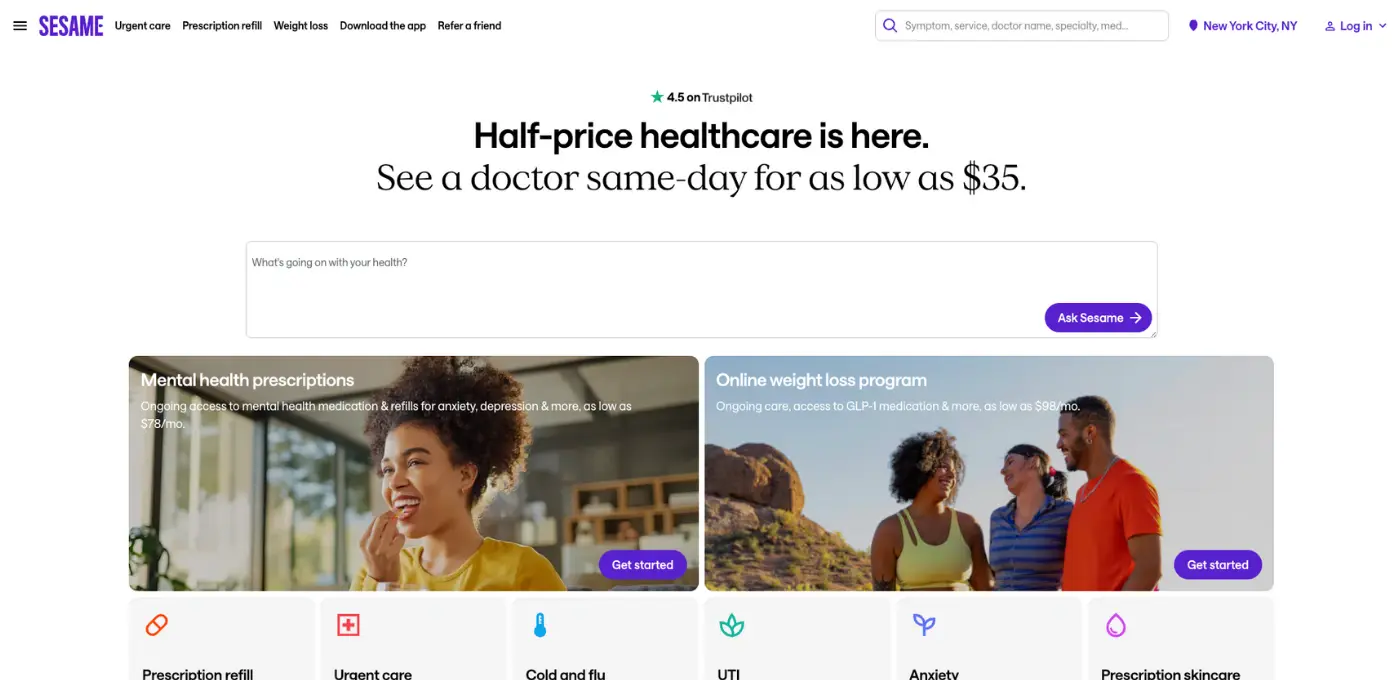
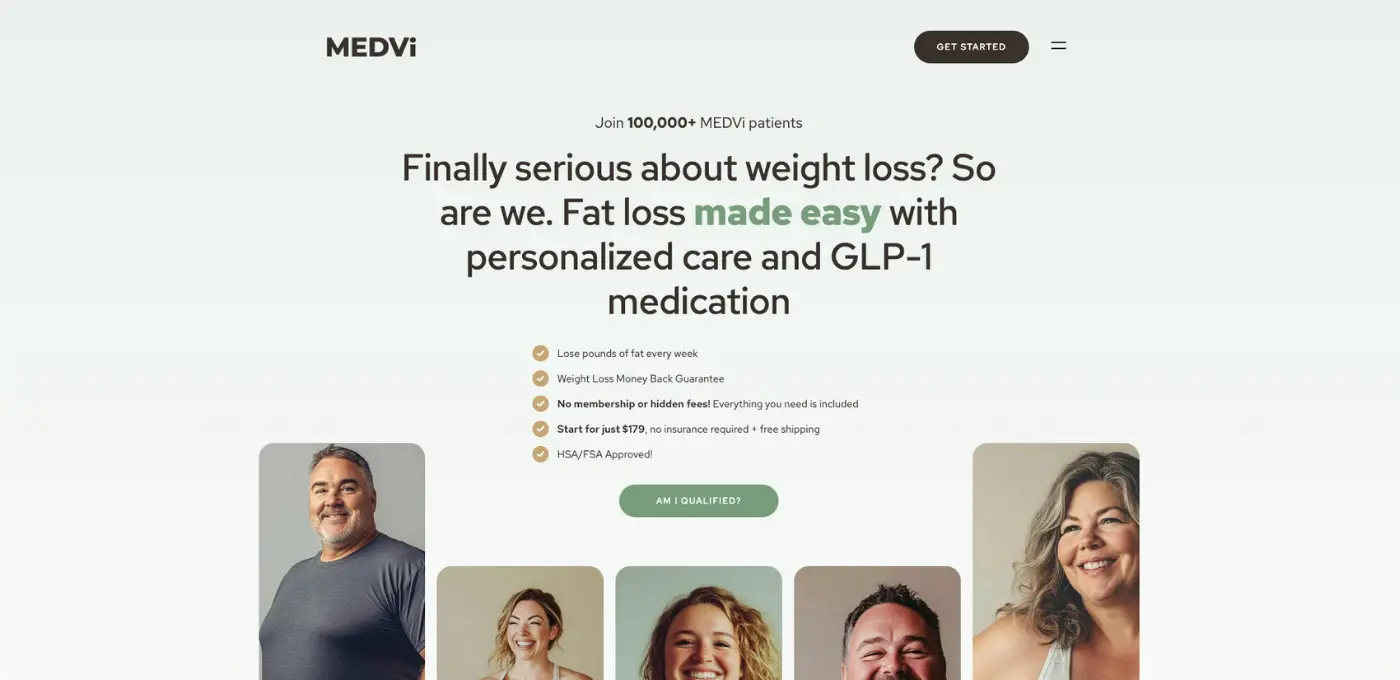
Choosing between Medvi and Sesame Care for weight loss involves evaluating ultra-budget standardized minimal service with absolute lowest cost against healthcare marketplace with provider selection autonomy at substantially higher costs representing fundamental trade-offs between cost minimization and customization flexibility. Medvi launched in 2022 as ultra-budget platform offering compounded semaglutide-only at rock-bottom all-inclusive pricing ($149-199/month) through standardized bare-bones operations with zero lifestyle support and 2 years demonstrated viability prioritizing absolute minimum cost through complete service elimination and standardization. Sesame Care launched in 2019 as healthcare marketplace connecting patients with independent providers for transparent cash-pay services including weight management ($249-299/month plus $29-79 per visit) through 4+ years of history prioritizing provider choice autonomy and customization flexibility despite substantially higher costs and complexity. This comparison examines payment model differences (ultra-budget subscription vs pay-per-visit marketplace), provider selection mechanisms (minimal standardized engagement vs marketplace choice), medication formulary consistency (guaranteed semaglutide-only vs provider-dependent variability), lifestyle support standardization (zero consistently vs provider-variable), cost implications (absolute minimum vs substantially higher with variability), and fundamental trade-offs between standardization and customization to help you determine whether ultra-budget standardized minimal service with predictable lowest costs or healthcare marketplace with provider autonomy, transparent per-visit fees, and customizable treatment approaches at substantially higher costs better aligns with your cost minimization priorities versus provider choice preferences, desire for simplified standardized service versus customized provider relationships, and whether absolute minimum cost with consistency or provider selection flexibility with higher complexity better serves chronic weight management.
Platform Overview
Pricing Structure and Payment Models
Provider Selection and Platform Model
Medication Options and Treatment Consistency
Lifestyle Support and Service Scope
Platform Model and Cost-Service Trade-Offs
How We Compared Sesame Care vs Medvi
Our Comparison Methodology
This comparison analyzes pricing structures, payment models, provider selection mechanisms, medication consistency, lifestyle support variability, and platform model differences from both Medvi and Sesame Care.
Clinical Evidence: Weight loss treatment recommendations reference FDA Wegovy (semaglutide) and Zepbound (tirzepatide) labels.
Pricing Analysis: Pricing reflects the rates last recorded in our provider database; providers change prices frequently, so confirm current pricing directly at checkout.
Independence: This comparison is our own editorial work (most providers listed here pay ManyTreatments a commission when you buy through a link on this page; none pays for a placement, a rating, or a listing, and we make no claim that commissions have never influenced anything, since that is our own conduct and we cannot evidence it) and provides evidence-based analysis helping patients understand trade-offs between ultra-budget standardized minimal service and marketplace customization flexibility at substantially higher costs.
Final Verdict: Sesame Care vs Medvi
Choose Medvi if: You prioritize absolute minimum cost and want lowest available GLP-1 access ($149-199/month, $1,788-2,388 annually, $1,200+ less than Sesame Care) through ultra-budget all-inclusive subscription without additional per-visit fees creating clearest lowest pricing and maximum cost predictability. You want guaranteed compounded semaglutide access at rock-bottom price with full consistency across standardized minimal service. You need no lifestyle support, coaching, nutritional guidance, or behavioral programming beyond basic prescription fulfillment adequate for self-directed approach. You seek maximum simplicity through standardized minimal service without marketplace complexity, provider selection requirements, or service variability research. You are comfortable with minimal provider engagement without provider selection autonomy, credentials comparison, or relationship customization adequate for straightforward prescription access. You accept semaglutide-only formulary (single medication option) without tirzepatide alternative or medication flexibility needs. You value ultra-budget transparent flat-rate pricing without pay-per-visit fee calculations or cost variability. You prioritize maximum affordability as absolute primary consideration accepting minimal standardized services without customization flexibility for extreme cost minimization suitable for highest cost-sensitivity patients.
Choose Sesame Care if: You want provider selection autonomy through marketplace enabling browsing providers, comparing credentials, reading reviews, and selecting specific doctors or nurse practitioners based on preferences rather than minimal standardized engagement. You value transparent pay-per-visit pricing model despite cost variability and substantially higher total costs ($1,200+ annually more plus per-visit fees) providing flexibility to customize visit frequency. You prefer customizing provider relationships with ability to switch providers freely based on experience rather than minimal standardized prescriber engagement. You want to select providers based on specific formulary offerings (potentially accessing tirzepatide), lifestyle support approaches, or treatment philosophies matching individual preferences enabling customization worth additional costs. You prioritize provider choice control and marketplace flexibility over absolute cost minimization and simplicity. You are comfortable with service variability where medication options, lifestyle support, and treatment approaches depend on individual provider selection requiring research to verify offerings before choosing providers. You value healthcare marketplace model enabling autonomy in provider relationships despite requiring more active management, creating cost complexity through per-visit fee structure, and costing $1,200+ annually more than ultra-budget alternative. You accept substantially higher costs and complexity for provider selection flexibility.
Bottom line: Medvi and Sesame Care represent fundamentally different platform philosophies with distinct trade-offs between absolute cost minimization through standardization and provider choice flexibility at substantially higher costs - Medvi operates ultra-budget standardized platform ($149-199/month, $1,788-2,388 annually) with all-inclusive subscription pricing, guaranteed semaglutide-only formulary, zero lifestyle support consistently, minimal provider engagement, and predictable lowest-cost service through complete standardization and service elimination prioritizing maximum affordability suitable for patients seeking absolute minimum cost medication access without customization flexibility or additional services saving $1,200+ annually, while Sesame Care operates healthcare marketplace ($249-299/month plus $29-79 per visit, $2,988-3,588+ annually) enabling provider selection autonomy, customizable provider relationships, transparent pay-per-visit pricing, and treatment flexibility based on individual provider offerings prioritizing patient choice and customization despite substantially higher costs, service variability requiring active provider research, and cost complexity through marketplace and per-visit fees. The core differentiation centers on cost minimization versus customization priorities - Medvi delivers extreme value through absolute lowest cost ($1,200+ annually less) via complete standardization (semaglutide-only always available at rock-bottom price, zero lifestyle support consistently, minimal provider engagement uniformly, predictable flat-rate subscription) eliminating all customization and non-essential services for maximum affordability, while Sesame Care delivers value through provider marketplace autonomy enabling selection based on credentials and reviews, customizable treatment approaches varying by provider choice, transparent pay-per-visit pricing offering visit frequency flexibility, and ability to select providers based on specific formulary or lifestyle support preferences despite requiring substantially more investment ($1,200+ annually more), active provider research and management, and cost complexity. For patients prioritizing absolute minimum cost, guaranteed semaglutide access consistency, maximum simplicity through standardized service, and predictable ultra-budget monthly costs without customization needs, Medvi ultra-budget model provides superior value through clearest lowest pricing ($149-199/month flat), complete standardization eliminating variability, and extreme affordability suitable for straightforward medication access. For patients valuing provider choice control, willing to research provider offerings actively, comfortable with cost variability and substantially higher investment through per-visit fees, and preferring customized provider relationships over standardized minimal engagement, Sesame Care marketplace model provides superior value through selection autonomy and treatment customization despite requiring substantially more cost commitment and complexity management. Choice fundamentally hinges on preference for ultra-budget standardized simplicity (absolute lowest cost, consistency, predictability) versus marketplace customization (provider autonomy, selection flexibility, service variability at substantially higher costs) - Medvi optimizes for maximum affordability through complete standardization saving $1,200+ annually, Sesame Care optimizes for patient choice and provider relationship control accepting substantially higher costs for customization flexibility.
Sources & References
Our comparisons are informed by official sources and regulatory guidelines. We encourage you to verify information with authoritative sources.
- FSMB - Telemedicine Policy and RegulationFederation of State Medical Boards telemedicine policies and licensing
Editorial Note: Researched and edited by our editorial team. AI tools assist with initial research and drafting; all content is fact-checked and edited by humans before publication. Learn more about our editorial standards