Choosing between PlushCare and Sesame Care for primary care or mental health services means deciding between insurance-based healthcare with copay billing versus transparent cash-pay marketplace pricing. This evidence-based comparison analyzes both platforms across insurance acceptance, consultation costs (an insurance copay vs cash-pay visits from $34), provider continuity, service breadth, HSA/FSA acceptance, and patient experience to help you select the approach aligning with your insurance status, budget constraints, and preferences for care coordination versus provider selection autonomy.
Overview: Insurance-Based Primary Care vs Cash-Pay Marketplace
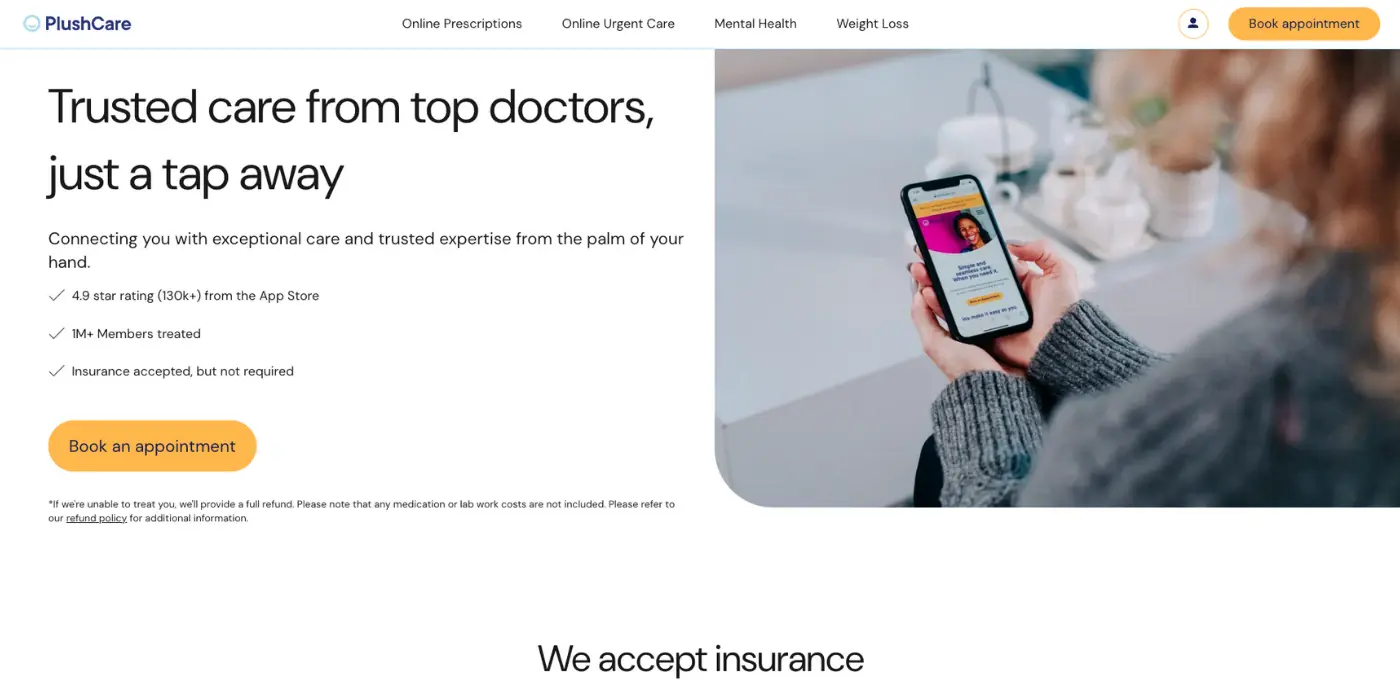
PlushCare and Sesame Care represent fundamentally different approaches to virtual healthcare delivery, despite both facilitating telehealth consultations. PlushCare operates as an insurance-accepting primary care platform providing wide-ranging medical services through employed or contracted physicians who bill insurance companies directly. Founded in 2014 with $85 million in venture funding, PlushCare serves patients across all 50 states offering same-day video appointments for acute conditions, chronic disease management, mental health treatment, and prescription medications, according to FAIR Health telehealth cost data.
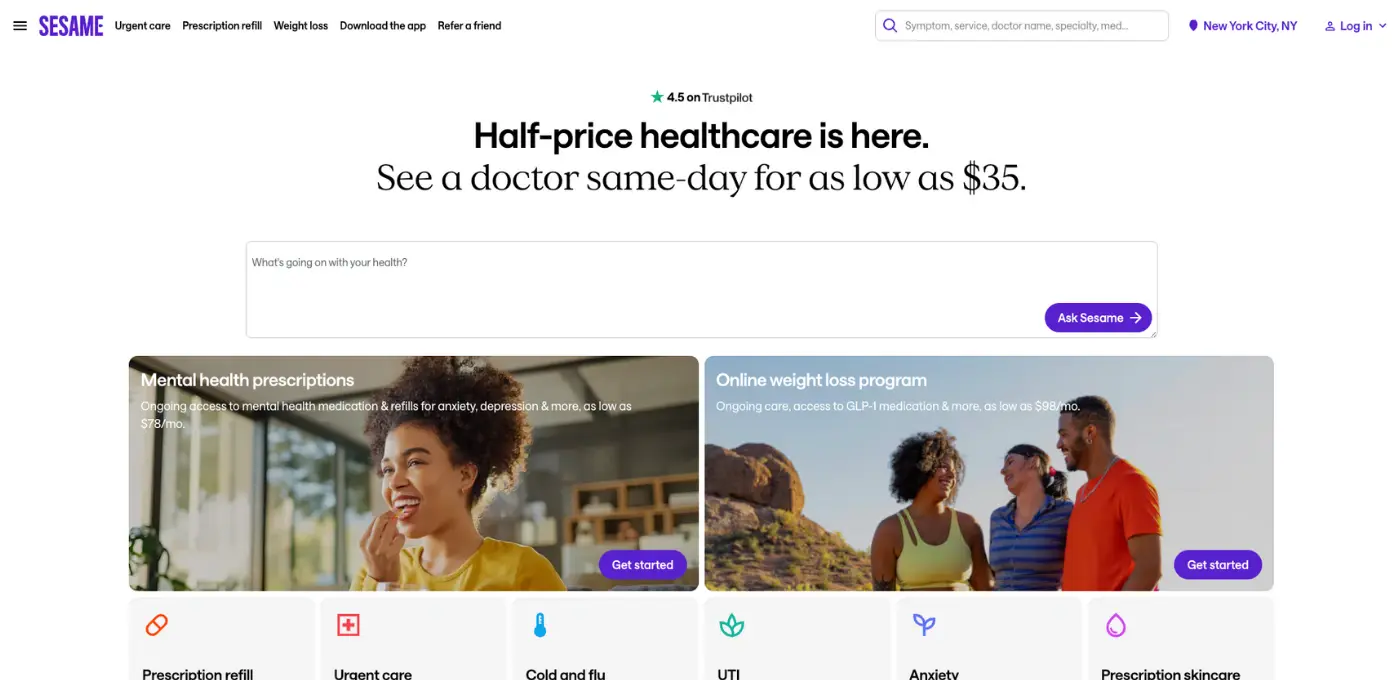
Sesame Care functions as a transparent pricing marketplace connecting patients with independent healthcare providers who set their own cash-pay rates. Rather than billing insurance, Sesame displays upfront pricing for services. Its listed entry rates run from $34 for an ED visit and $37 for dermatology up to $69 a session for women's health, and you compare providers by rating and price before you book. The platform launched in 2020, raised $27 million in Series A funding (2022), and features over 300,000 providers offering primary care, specialty consultations, diagnostic testing, and prescription management without insurance intermediation.
For mental health specifically, PlushCare provides psychiatry and therapy services covered by most major insurance plans including Aetna, Cigna, Blue Cross Blue Shield, and UnitedHealthcare. You pay whatever copay or coinsurance your own plan sets, with the platform handling insurance verification, prior authorizations, and billing. PlushCare physicians can prescribe medications including SSRIs, SNRIs, stimulants for ADHD, and other psychiatric drugs, with prescriptions sent to the patient's preferred pharmacy.
Sesame Care connects you with psychiatrists and therapists at rates shown before you book. Its mental health option is listed as a $79/mo medication subscription covering video visits and unlimited messaging, with your prescriptions sent to a pharmacy for same-day pickup. These are cash-pay transactions; insurance is not accepted on the platform. However, patients can request superbills to submit to insurance for potential out-of-network reimbursement. The marketplace model means treatment approaches and medication preferences vary by individual provider rather than following platform-wide protocols.
The comparison ultimately reflects a choice between traditional insurance-based healthcare with copay predictability (PlushCare) versus transparent cash-pay pricing with provider selection flexibility (Sesame Care). PlushCare excels for patients with health insurance wanting to maximize coverage and minimize out-of-pocket costs. Sesame Care suits uninsured patients, those with high-deductible plans, or consumers preferring pricing transparency and direct provider selection over insurance navigation.
Pricing Structures: Insurance Copays vs Transparent Cash-Pay
PlushCare operates primarily on insurance billing, accepting most major plans including Medicare Advantage (though not traditional Medicare). With insurance, what you pay is your plan's copay or coinsurance, which varies enough between plans that the only reliable number is the one on your own benefits summary. Without insurance, PlushCare's listed cash rate is $129 a visit, competitive with urgent care but higher than many telehealth-only platforms, according to
APA telepsychiatry patient guide, according to FAIR Health telehealth cost data.
Insurance coverage through PlushCare includes consultations, diagnosis, treatment recommendations, and prescriptions. Follow-up appointments to assess medication efficacy or adjust treatment plans incur additional copays based on insurance contracts. For chronic condition management with monthly check-ins, your annual total comes down almost entirely to your plan's copay, so it is worth multiplying that figure by twelve before you commit. PlushCare handles prior authorizations for expensive medications, though approval is never guaranteed.
Sesame Care displays upfront, transparent pricing for every service and provider. Entry rates vary by provider, location and appointment type, starting at $34 for an ED visit. Mental health is sold as a $79/mo medication subscription rather than per visit. Dermatology visits are listed at $37, and women's health sessions at $69. Lab work, imaging and diagnostic tests are priced upfront the same way, so you see the figure before you book rather than after.
For ongoing mental health medication management, Sesame's $79/mo subscription works out to about $948 a year, plus whatever your prescriptions cost at the pharmacy. Through PlushCare with insurance, the same care could cost you four copays instead, which for most plans lands well under that, though an unmet deductible can erase the advantage entirely. The total cost comparison heavily depends on individual insurance plan structures, deductibles, and out-of-pocket maximums.
The pricing comparison favors PlushCare for patients with comprehensive insurance plans featuring low copays and deductibles. Sesame Care offers better value for uninsured patients, those with high-deductible health plans ($3,000-$8,000 deductibles), or consumers wanting to avoid insurance billing complexity. Sesame's transparent pricing also eliminates surprise bills - you know exact costs before booking, whereas PlushCare costs depend on insurance processing and potential coverage denials.
Service Offerings: Primary Care Platform vs Multi-Specialty Marketplace
PlushCare provides comprehensive primary care services including acute illness treatment (colds, flu, UTIs, skin conditions), chronic disease management (diabetes, hypertension, high cholesterol, asthma), mental health care (anxiety, depression, ADHD), and preventive medicine (health screenings, vaccinations where applicable). The platform employs board-certified physicians, nurse practitioners, and physician assistants who provide evidence-based care following clinical guidelines.
Mental health services through PlushCare include psychiatric evaluations, medication management, and therapy referrals. Psychiatrists prescribe SSRIs (sertraline, escitalopram), SNRIs (venlafaxine, duloxetine), benzodiazepines (limited use), stimulants for ADHD (Adderall, Ritalin with appropriate screening), mood stabilizers, and antipsychotics when clinically indicated. The platform also facilitates therapy through contracted therapists accepting insurance, though therapy availability varies by state and insurance network, according to
NIMH depression treatment information, according to FAIR Health telehealth cost data.
PlushCare cannot provide certain services requiring in-person examination including physical therapy, surgical procedures, complex imaging interpretation, or emergency care. The platform refers patients to in-person providers when telehealth limitations prevent adequate diagnosis or treatment. For conditions like severe chest pain, stroke symptoms, or traumatic injuries, PlushCare directs patients to emergency departments rather than attempting remote management.
Sesame Care operates as a marketplace featuring diverse services from 300,000+ independent providers. Beyond primary care and mental health, the platform offers specialty consultations (cardiology, endocrinology, dermatology, gastroenterology), diagnostic testing (blood work, imaging, genetic testing), dental services, vision care, and alternative medicine (acupuncture, chiropractic). Provider availability varies by geographic market - major metro areas offer more specialty options than rural regions.
For mental health specifically, Sesame Care patients can browse psychiatrist and therapist profiles showing credentials, patient reviews, pricing, and treatment philosophies. Some providers specialize in specific conditions (OCD, PTSD, bipolar disorder), demographic groups (adolescents, LGBTQ+ patients, veterans), or treatment modalities (CBT, DBT, psychodynamic therapy). This marketplace approach enables targeted provider selection but requires patients to vet qualifications independently rather than relying on platform credentialing.
Medical Consultations: Standardized Care vs Provider Autonomy
PlushCare consultations occur via video visits using the platform's proprietary app or web interface. Appointments are typically 15-30 minutes for acute visits, 30-45 minutes for initial mental health evaluations, and 10-20 minutes for follow-up medication management. The platform emphasizes same-day and next-day availability - over 80% of appointments occur within 24 hours of booking. Evening and weekend availability accommodates working patients needing flexible scheduling.
PlushCare physicians follow evidence-based clinical protocols aligned with American Academy of Family Physicians (AAFP) and American Psychiatric Association (APA) guidelines. For depression screening, providers use standardized tools like PHQ-9; for ADHD evaluations, they employ DSM-5 diagnostic criteria and in-depth symptom assessments. This standardization ensures consistent care quality but may feel formulaic to patients preferring approaches.
After consultations, PlushCare physicians send prescriptions electronically to patients' preferred pharmacies, typically within hours. The platform maintains electronic health records accessible to patients through the app, documenting visit summaries, diagnoses, treatment plans, and medication lists. Care coordination with outside specialists or primary care providers requires patient authorization but can facilitate full health management.
Sesame Care consultations vary by individual provider preferences and practice styles. Some offer video visits only, others provide phone consultations, and some facilitate asynchronous messaging-based care. Appointment lengths depend on provider scheduling - some psychiatrists book 30-minute slots for thorough evaluations, while others offer 15-minute medication checks. Patients review provider profiles and patient ratings to assess consultation styles before booking.
Provider autonomy on Sesame Care means treatment approaches differ significantly. One psychiatrist might prefer starting depression treatment with therapy plus medication, while another prescribes SSRIs immediately. Some providers offer same-day appointments; others book weeks in advance. Prescription practices also vary - some readily prescribe stimulants for ADHD, while others require extensive testing and trial periods. This variability offers choice but demands more patient engagement in provider selection and care coordination.
Insurance and Payment Models
PlushCare accepts most major commercial insurance plans including Aetna, Anthem, Blue Cross Blue Shield, Cigna, Humana, Kaiser Permanente (select regions), Oscar, UnitedHealthcare, and many regional carriers. The platform also accepts Medicare Advantage plans but not traditional Medicare Part B. Insurance verification occurs during account setup, with PlushCare confirming coverage, copay amounts, and prior authorization requirements before appointments, according to
APA telepsychiatry patient guide, according to FAIR Health telehealth cost data.
For insured patients, PlushCare handles all billing directly with insurance companies. Patients pay copays at time of service through the app, and insurance processes claims for the remaining balance. If insurance denies coverage or determines services weren't medically necessary, you may receive a balance bill for the full $129 visit. Prior authorization delays sometimes prevent immediate prescription fills, particularly for expensive medications or controlled substances.
PlushCare does not accept Health Savings Account (HSA) or Flexible Spending Account (FSA) cards for copayments - these must be paid via credit/debit cards, though patients can seek reimbursement from HSA/FSA administrators after visits. The platform provides itemized receipts documenting medical necessity to support reimbursement requests. Self-pay patients without insurance pay upfront and cannot bill insurance retroactively through PlushCare.
Sesame Care operates entirely on cash-pay basis - no insurance accepted for consultations. However, the platform explicitly designs pricing to remain affordable without insurance, often costing less than insurance copays. For patients with out-of-network benefits, Sesame provides superbills (detailed invoices with CPT codes) enabling insurance reimbursement submissions. Reimbursement amounts and approval depend on individual plan out-of-network coverage terms.
Sesame Care accepts all payment methods including credit cards, debit cards, HSA cards, and FSA cards at checkout. This direct payment model eliminates insurance billing delays, claim denials, and surprise bills. Patients know exact costs before booking, and providers receive payment immediately rather than waiting months for insurance processing. The tradeoff is upfront cost burden - patients pay full amounts rather than subsidized copays, making care expensive for those with generous insurance coverage.
Patient Experience and Platform Features
PlushCare provides a streamlined app-based experience emphasizing convenience and insurance integration. Patients create accounts, enter insurance information, book appointments, attend video visits, and access medical records through the unified platform. Prescription refills can be requested via messaging, with physicians reviewing requests and approving refills electronically. The app sends appointment reminders, medication adherence prompts, and follow-up scheduling suggestions, according to FAIR Health telehealth cost data.
PlushCare holds an 8.6 rating (Very Good) in our ratings; its model centers on physician appointments, quick scheduling, and insurance acceptance. Common complaints include difficulty canceling subscriptions, occasional insurance billing issues, and limited continuity - patients may see different physicians for each visit depending on availability. The platform doesn't guarantee seeing the same provider consistently, though patients can request specific physicians if available.
PlushCare offers same-day care for urgent needs but may lack deep longitudinal relationships that in-person primary care provides. For complex conditions requiring coordinated care across specialists, the telehealth-first model can feel fragmented. However, for straightforward acute illnesses, medication refills, or stable chronic condition management, the convenience and insurance integration work well. The platform suits patients comfortable with rotating providers and digital-first healthcare.
Sesame Care provides a marketplace browsing experience where patients compare providers by price, ratings, credentials, and availability. Provider profiles include photos, bios, specialties, patient reviews, and detailed pricing for different services. Patients book appointments directly, receive confirmation emails, and join consultations via the provider's preferred method (Sesame video platform, phone, or third-party tools like Zoom).
Patient experience on Sesame Care varies by provider quality and communication style. Sesame holds a 9.1 rating (Excellent) in our ratings, with transparent per-visit pricing and broad provider accessibility. Criticisms note inconsistent provider quality, occasional scheduling issues, and lack of platform-wide care coordination. The marketplace model means Sesame facilitates connections but doesn't control provider behavior - patients assume more responsibility for vetting credentials and ensuring appropriate care.
How We Compared PlushCare vs Sesame Care
Our Comparison Methodology
This comparison is based on comprehensive analysis of telehealth business models, pricing structures, insurance integration, and care delivery approaches from both platforms.
Clinical Evidence: Primary care and urgent care treatment recommendations reference evidence-based clinical guidelines, American Psychiatric Association practice guidelines, FDA prescribing information for psychiatric medications, and evidence-based treatment recommendations from National Institute of Mental Health.
Pricing Analysis: Pricing reflects the rates last recorded in our provider database; providers change prices frequently, so confirm current pricing directly at checkout. Insurance reimbursement rates based on typical copays and deductibles.
Service Verification: Platform capabilities, provider credentials, insurance acceptance (PlushCare 97% plans, Sesame cash-only), state availability (both 50 states), and prescription authority were evaluated through detailed review of each platform's published service information.
Our analysis is our own editorial work. Most of the providers compared here pay ManyTreatments a commission when you buy through a link on this page. Nobody pays us for a placement, a rating, or a listing, and we are not going to add that commissions have never influenced anything, because that is a claim about our own conduct we cannot show you evidence for. Our goal is to provide evidence-based comparison to help you make informed telehealth decisions.
Final Verdict: PlushCare vs Sesame Care
Choose PlushCare if you have broad health insurance and want to put it to work across primary care, chronic disease management, and mental health treatment. Its listed cash rate is $129 a visit, but with coverage you would pay your plan's copay instead. PlushCare excels for patients comfortable with insurance billing complexity, needing same-day appointments for acute illnesses, and preferring platform-standardized care protocols aligned with clinical guidelines. The platform suits insured patients wanting convenience and insurance integration despite limited provider continuity and potential billing surprises. Choose PlushCare if insurance navigation doesn't deter you and copays remain affordable.
Choose Sesame Care if you're uninsured, have high-deductible health plans ($3,000+ deductibles), or prioritize transparent pricing and provider selection control. Sesame excels if you would rather pay cash upfront, with visits listed from $34 for ED and $37 for dermatology, in exchange for cost certainty, direct provider relationships, and HSA/FSA card acceptance. The marketplace model suits engaged consumers comfortable vetting provider credentials independently and coordinating care without platform standardization. Choose Sesame if upfront pricing transparency and provider choice outweigh insurance coverage benefits.
The bottom line: PlushCare delivers insurance-integrated primary care with same-day appointments and standardized protocols - ideal for patients with extensive insurance wanting convenience over continuity. Sesame Care offers transparent cash-pay marketplace access with provider selection flexibility - perfect for uninsured patients or high-deductible plan holders preferring cost certainty and direct relationships. Neither guarantees strong provider continuity, but Sesame's direct booking enables longitudinal relationships PlushCare's rotating provider model lacks. Your choice depends on insurance coverage quality, deductible status, and whether you prioritize insurance integration (PlushCare) or pricing transparency with provider autonomy (Sesame Care).
Frequently Asked Questions
Should I choose PlushCare or Sesame Care for primary care and mental health services?
Choose PlushCare if you have health insurance and want maximum coverage for consultations, chronic disease management, and prescription medications, since your copay replaces its $129 cash visit rate. PlushCare excels for patients comfortable with insurance billing, wanting same-day appointments, and needing acute illness treatment or ongoing medication management. Choose Sesame Care if you're uninsured, have high-deductible plans ($3,000+ deductibles), or prefer transparent cash-pay pricing, with visits listed from $34. Sesame suits patients wanting provider selection control, upfront cost certainty, and willingness to coordinate care independently without platform standardization.
Which platform costs less for mental health treatment and medication management?
Total costs depend heavily on insurance coverage. With broad insurance, PlushCare costs you four copays a year for quarterly medication management visits, plus prescription copays. Sesame Care sells mental health as a $79/mo subscription, about $948 a year, plus full retail prescription costs. PlushCare is cheaper for insured patients with low copays. Without insurance the comparison flips: Sesame's per-visit rates start at $34, against $129 a visit at PlushCare. Run calculations based on your specific insurance plan and deductible status.
Does PlushCare or Sesame Care provide better provider continuity for ongoing treatment?
Neither platform guarantees strong provider continuity by default, but Sesame Care offers better tools for establishing longitudinal relationships. PlushCare assigns patients to available providers based on scheduling, meaning you may see different physicians for each visit unless you specifically request the same provider (subject to availability). Sesame Care allows booking all appointments with the same provider directly, enabling ongoing relationships if you find a clinician you like. For chronic mental health conditions requiring consistent therapeutic relationships, Sesame's direct booking model better supports continuity, though you'll pay cash for each visit rather than using insurance.
Can I use HSA or FSA funds for PlushCare and Sesame Care appointments?
Sesame Care directly accepts HSA and FSA cards at checkout for all services - simply pay with your card like any debit transaction. PlushCare does NOT accept HSA/FSA cards for copayment at time of service; you must pay with credit/debit cards. However, PlushCare visits are HSA/FSA eligible expenses - save itemized receipts and submit for reimbursement from your HSA/FSA administrator after visits. Self-pay visits at $129 fully qualify for HSA/FSA reimbursement with proper documentation. Sesame's direct acceptance is more convenient; PlushCare requires reimbursement paperwork.
Which platform is better for patients without health insurance?
Sesame Care is significantly better if you are uninsured, thanks to transparent cash-pay pricing that starts at $34 a visit, with mental health sold as a $79/mo subscription. The marketplace model specifically targets price-conscious consumers, with costs often below insurance copays. PlushCare charges $129 per self-pay visit, reasonable for urgent care but expensive for ongoing treatment. For four visits a year without insurance, that is $516 at PlushCare before any medication. Sesame also offers discounted lab work, imaging, and specialty consultations without insurance markup. Uninsured patients save 30-50% using Sesame Care versus PlushCare's self-pay rates.
Do PlushCare and Sesame Care prescribe the same medications for mental health conditions?
Both platforms can prescribe most psychiatric medications including SSRIs, SNRIs, benzodiazepines, stimulants, mood stabilizers, and antipsychotics, subject to provider discretion and state regulations. PlushCare physicians follow platform-wide prescribing guidelines and protocols, ensuring consistent, evidence-based approaches. Sesame Care providers maintain full prescribing autonomy - medication selection, titration schedules, and refill policies vary by individual practitioner. PlushCare offers more standardized care; Sesame provides diverse treatment philosophies. For controlled substances like stimulants or benzodiazepines, some Sesame providers prescribe readily while others avoid them entirely, requiring patients to vet provider practices before booking.
Editorial Note: Researched and edited by our editorial team. AI tools assist with initial research and drafting; all content is fact-checked and edited by humans before publication. Learn more about our editorial standards